House Renovation in Pembrokeshire: Where to Start
Renovating an older house can reveal opportunities as well as problems. A considered approach can help you understand what is worth keeping, what needs changing and where design can make the biggest difference.
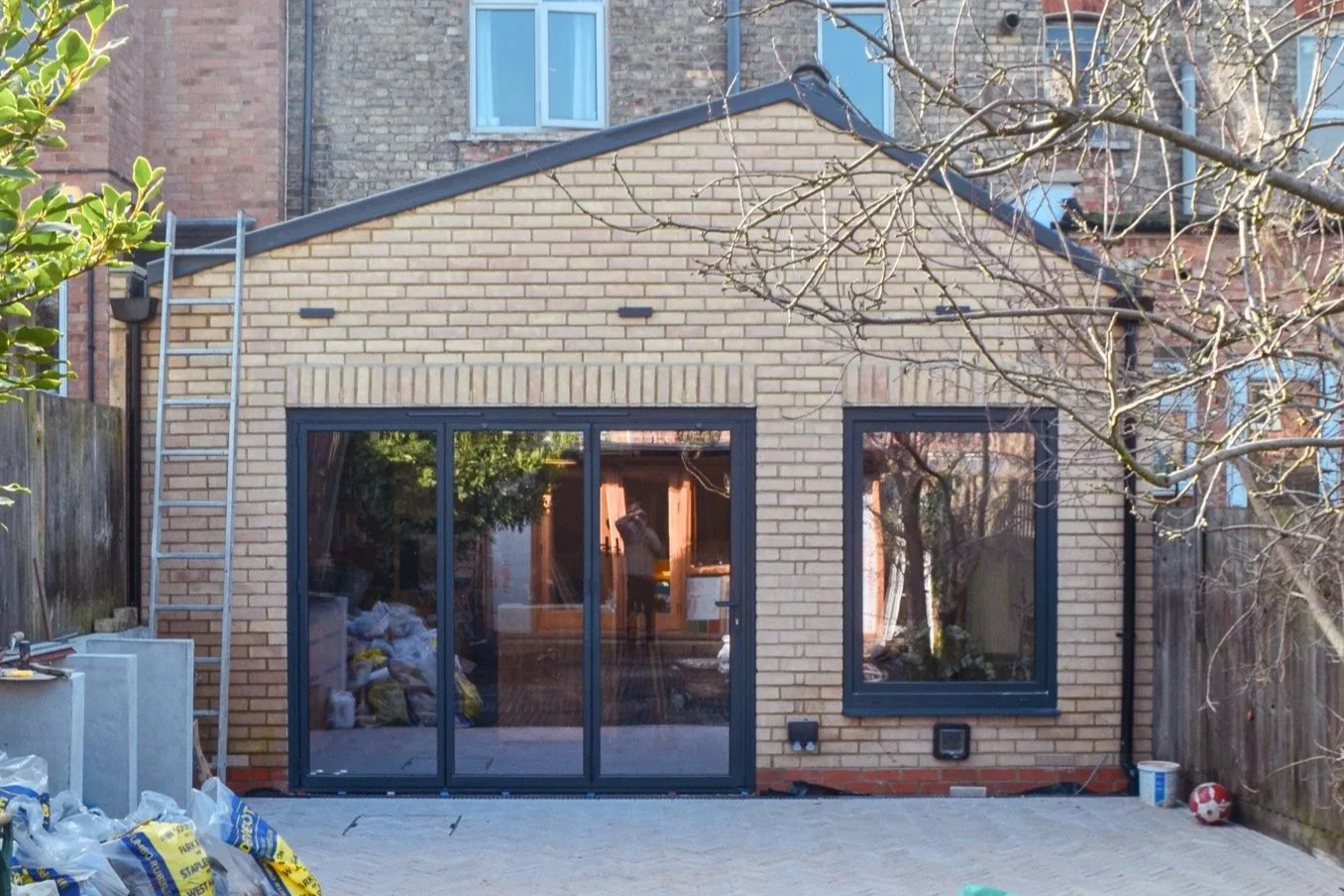
Renovating a house in Pembrokeshire can be an opportunity to make an existing property work much better for the way you live. Older houses often have character, good proportions and established gardens, but they can also have awkward layouts, poor insulation, dated services or additions that no longer make sense.
Knowing where to start can be difficult. There may be a long list of things you want to change, but not everything needs to happen at once. A good renovation starts with understanding the building, the site and what you actually want the house to do.
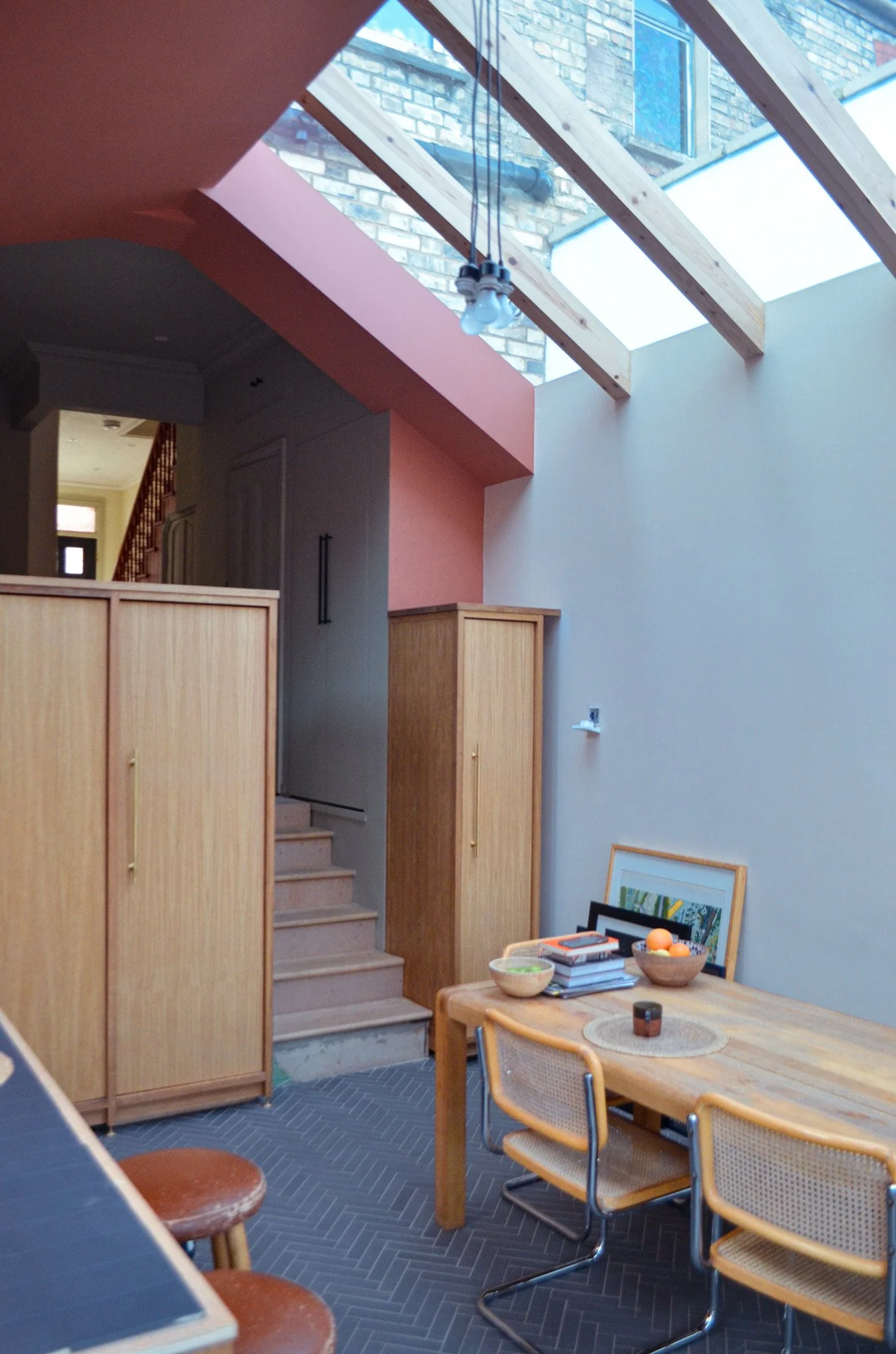
Start with how the house works
Before thinking about new rooms or extensions, look carefully at how you use the house.
Are rooms in the right places? Is the kitchen too isolated? Is there enough natural light? Do you have useful storage? Does the house connect well with the garden? Are there spaces that you rarely use because they are awkward or uncomfortable?
These questions can reveal that the best solution is not always to add more floor area. Sometimes reorganising the existing house can make a surprisingly large difference.
Understanding the problems first gives you a better basis for deciding where money should be spent.
Understand what is worth keeping
Older properties in Pembrokeshire can have qualities that are difficult to recreate. Original materials, fireplaces, proportions, roof forms, windows, mature gardens and the position of the building can all contribute to its character.
Renovation does not have to mean stripping everything back and starting again.
Some elements may be worth repairing or restoring, while others may no longer serve the house well. The interesting part of the design process is often working out how old and new can sit together successfully.
A good renovation should leave the house feeling like a better version of itself, rather than simply a collection of new additions.
Think about energy and comfort
Many older houses were built long before modern expectations around insulation, heating and energy efficiency. Improving these things can make a significant difference to how comfortable a house feels.
The right approach will depend on the construction of the building. Traditional solid-wall properties, for example, need to be considered differently from more recent cavity-wall houses.
Windows, insulation, ventilation, heating and airtightness all need to work together.
Energy improvements can also be an opportunity to rethink the house more broadly. If walls, floors or ceilings are already being altered, it may make sense to consider how those works can contribute to a more comfortable and efficient home.
Check the planning position early
Some renovation work may not require planning permission, but extensions, changes to the external appearance and work affecting listed or otherwise protected buildings can require additional consents.
The situation can also be different for properties within the Pembrokeshire Coast National Park or other designated areas.
It is therefore worth understanding the planning position before developing detailed ideas, particularly if your renovation includes an extension or significant external changes.
For an older or rural property, the existing planning history can also be useful. Previous applications may reveal how the property has been altered and whether particular proposals have already been considered.
Make the most of the site
A house renovation is not only about the building itself. The relationship between the house and its garden or wider site can have a major effect on the finished project.
In Pembrokeshire, properties often have attractive gardens, views and rural surroundings that are part of what makes them special.
Small changes can improve this relationship considerably. A new opening might bring more light into a dark room. Reorganising the ground floor might create a better route into the garden. An extension could provide a more useful connection between living spaces and outside areas.
Good design considers the house and its setting together.
Plan the project around your budget
It is easy for a renovation project to grow once you start discovering what could be improved. Setting priorities early can help keep the project realistic.
Some work may be essential, such as structural repairs or replacing failing services. Other improvements may be desirable but can be phased or reconsidered if the budget becomes tight.
An architect can help you look at the project as a whole and decide where design effort and construction budget are likely to have the greatest impact.
This is particularly useful with older properties, where unexpected problems can emerge once work begins. A clear understanding of priorities can give you more control over how the project develops.
Get a clear idea of what the house could become
You do not need to have every decision made before speaking to an architect. In fact, early design thinking can help you work out what the project should be.
At Walking Distance, we work with homeowners across Pembrokeshire and Wales to understand existing buildings and find ways of making them work better. We look at the practical problems, the character of the building, its relationship with the site and the planning context before developing a design.
For some projects, that might mean a relatively simple reorganisation. For others, it could involve a more substantial renovation and extension.
The important thing is to understand the opportunities before committing to a particular solution.
If you are considering renovating a house in Pembrokeshire, Walking Distance can help you understand what is possible and where to start. Get in touch to talk through your property and what you would like to change.
Recent Extension Projects
-
![]()
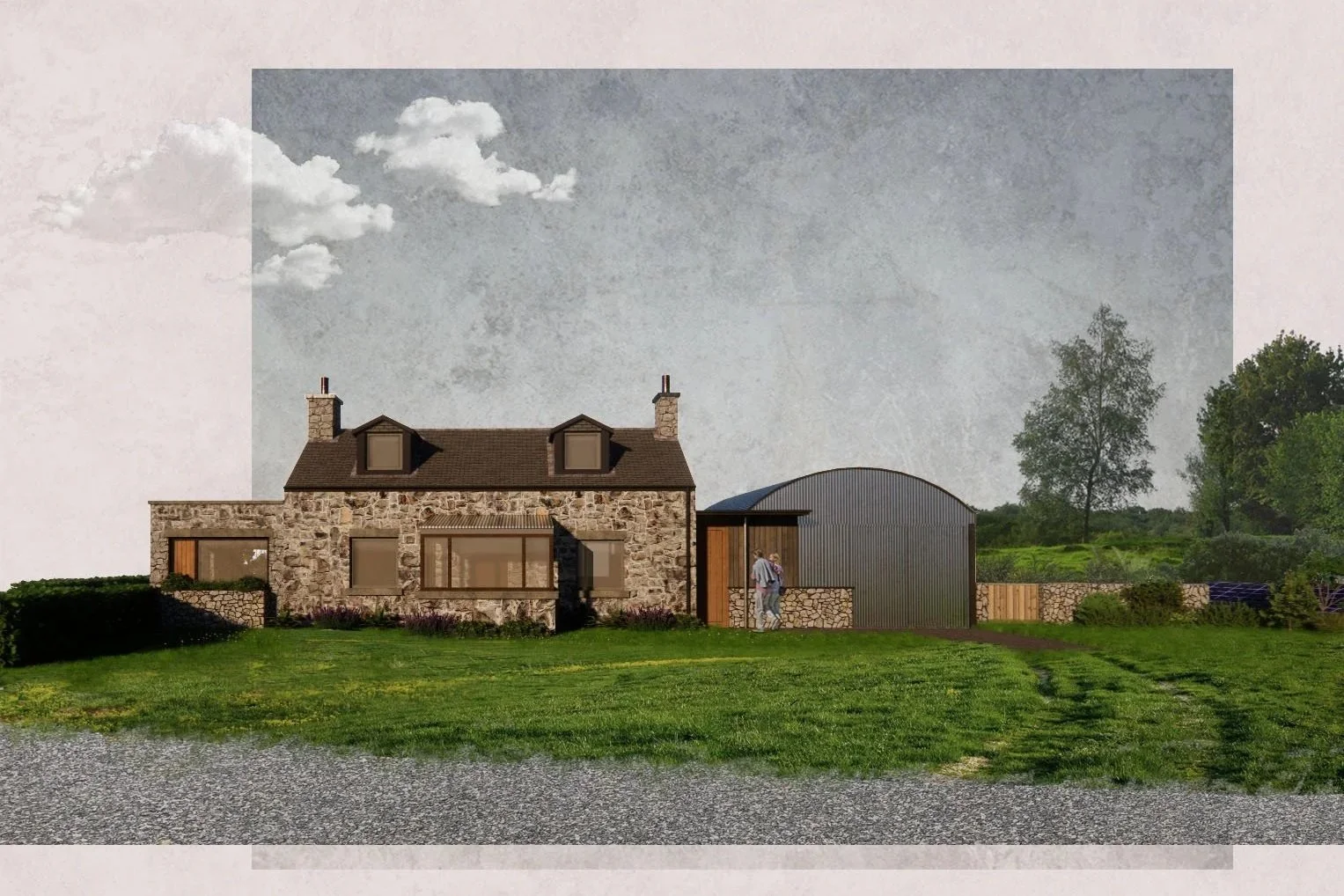
Jura Cottage Extension
-
![]()
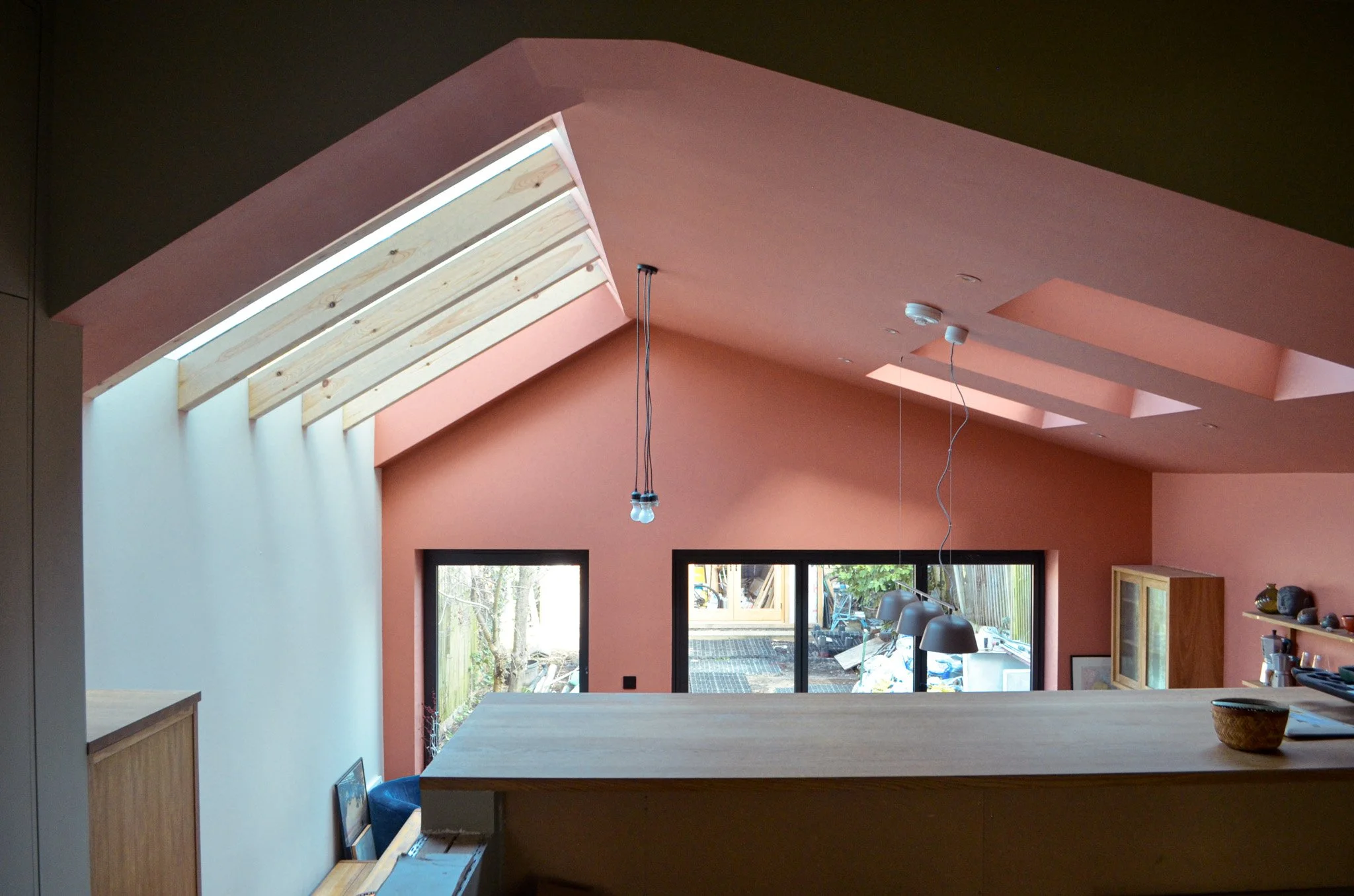
Outram Road
-
![]()
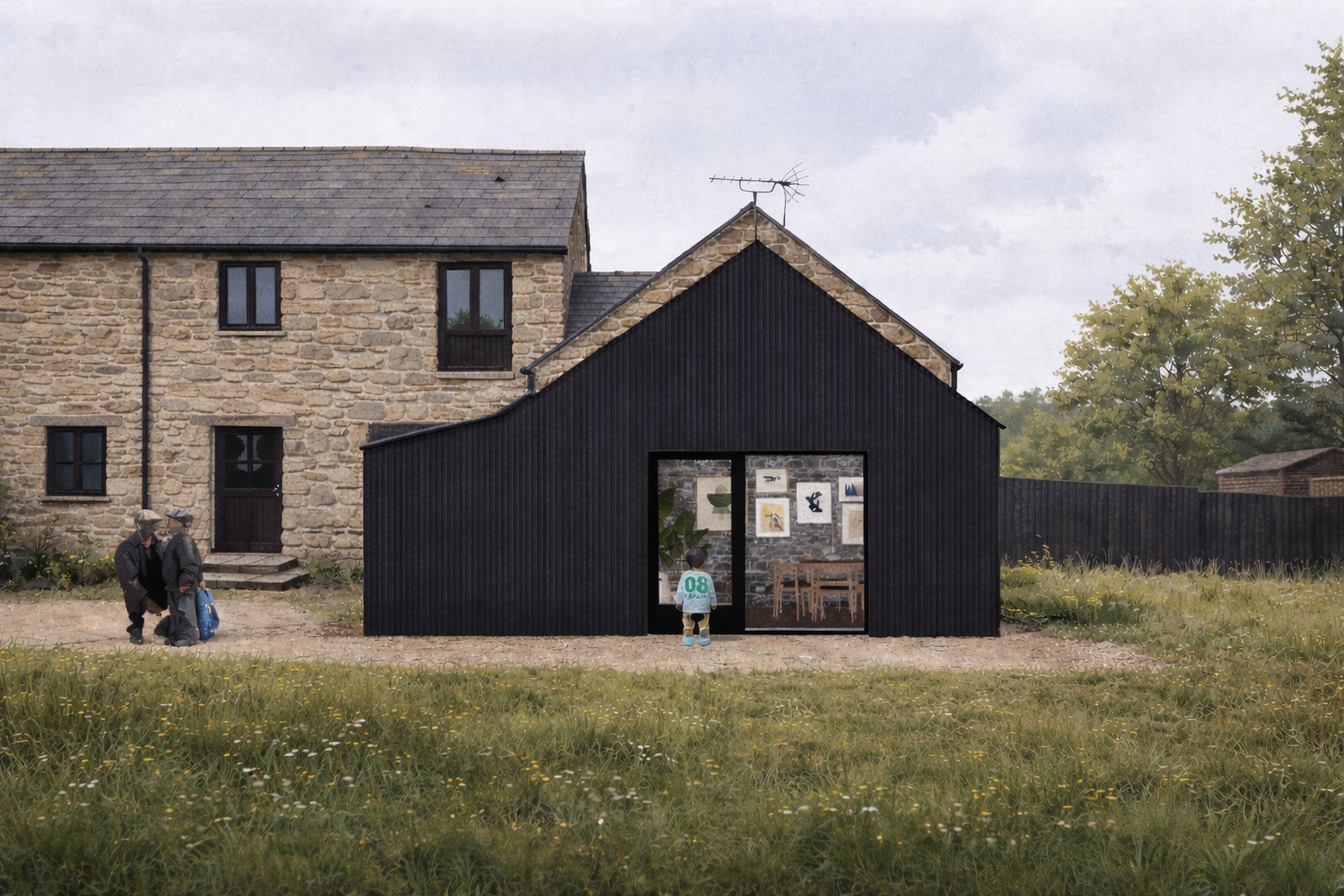
Curlew Cottage Extension
-
![]()
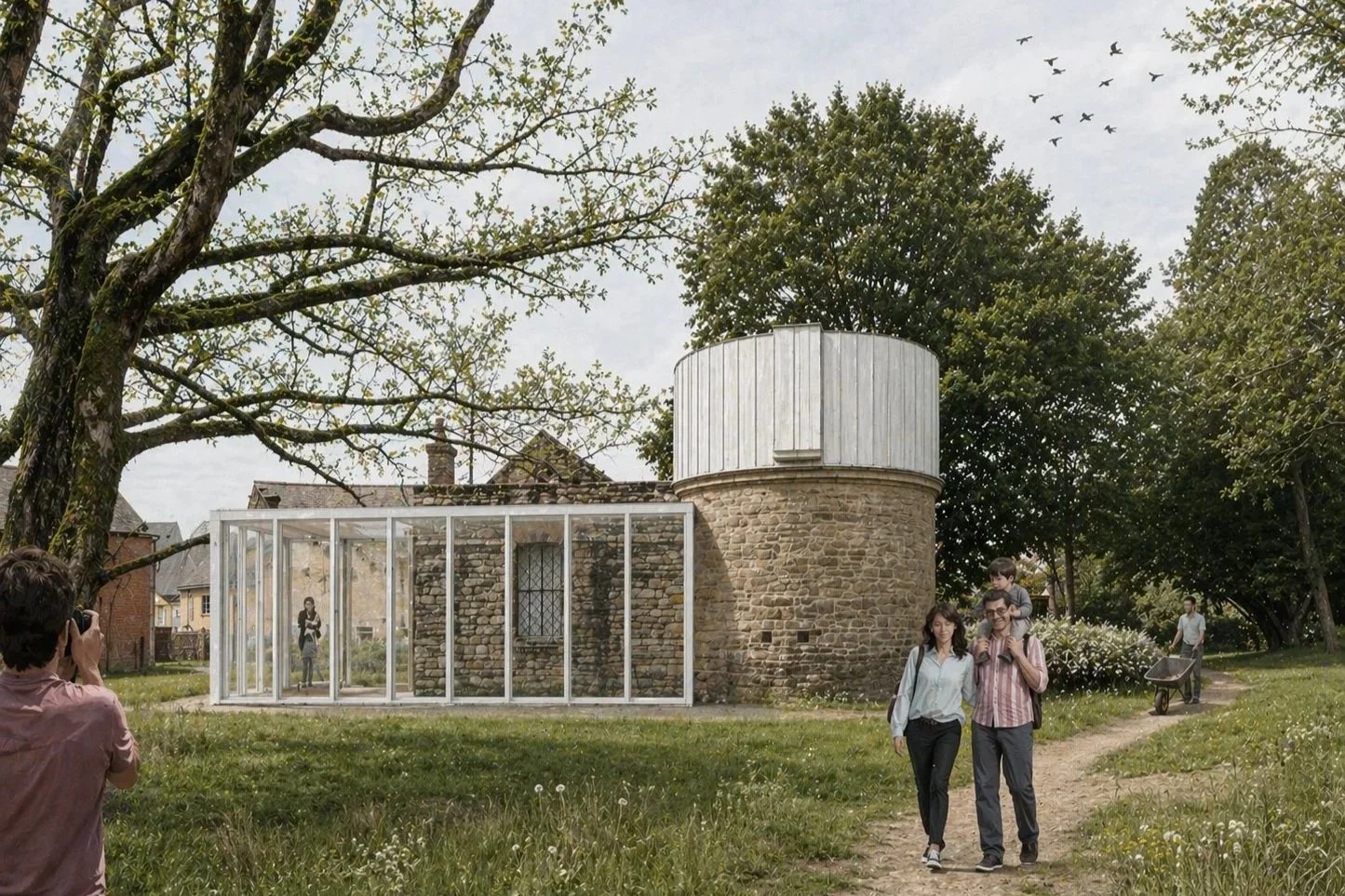
Penllergare Observatory