How Much Does a House Extension Cost in Wales?
Planning a house extension in Pembrokeshire or elsewhere in Wales? Here's what you need to budget for, including construction costs, professional fees, planning, site conditions and the factors that can make a rural extension more expensive.
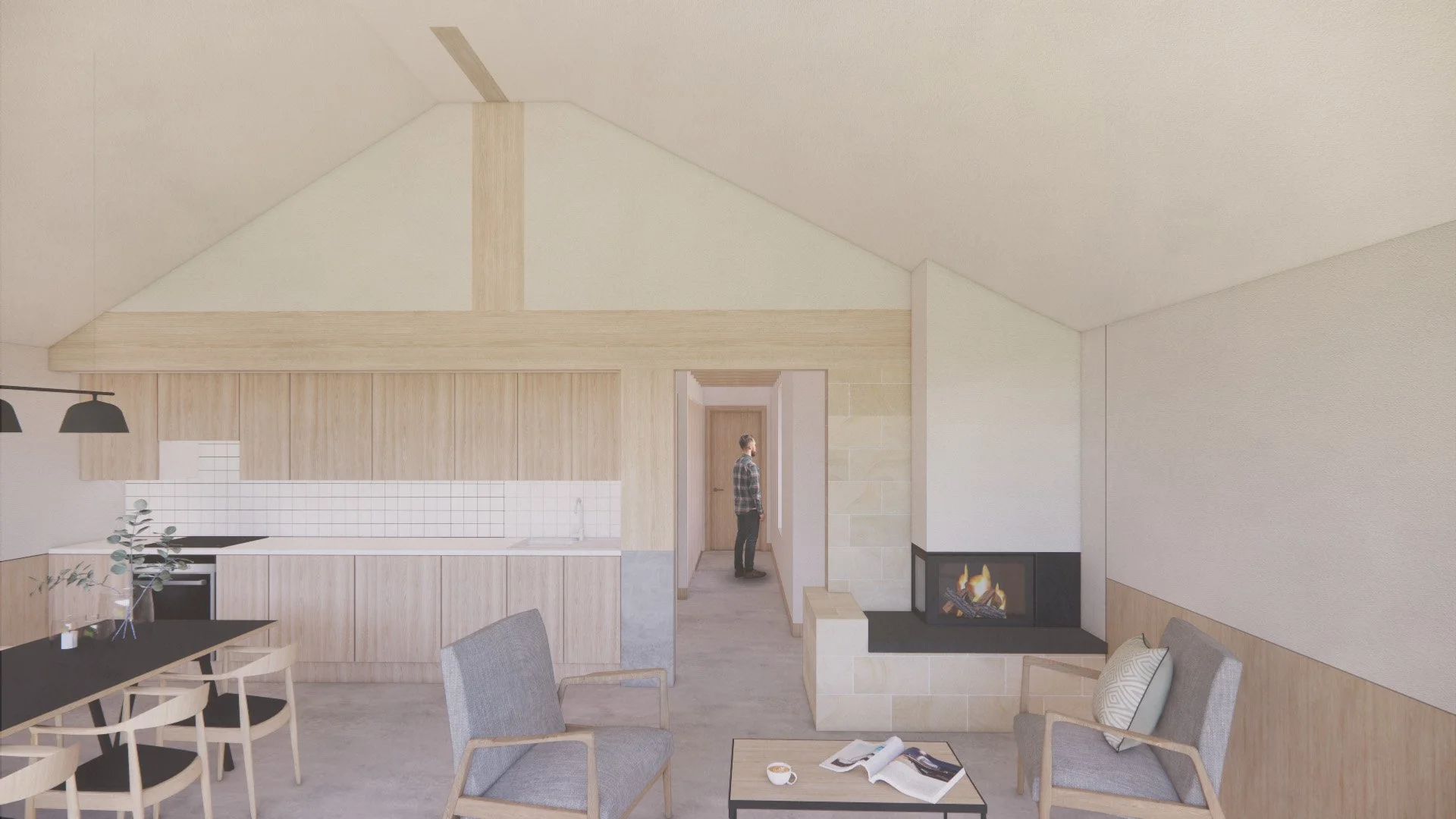
How much does a house extension cost in Wales?
If you're thinking about extending your home, one of the first questions you're likely to ask is:
"How much will it cost?"
Unfortunately, there isn't a single figure that can accurately answer this.
The cost of a house extension in Wales depends on its size, construction method, specification, location, ground conditions, complexity and the condition of the existing property.
Current published 2026 estimates put a typical single-storey extension in Wales somewhere around £30,000–£45,000 for a relatively straightforward project, although a higher-specification or more complex extension can cost considerably more.
For homeowners in Pembrokeshire, there can be additional considerations. Rural locations, difficult access, ground conditions, long distances for materials and trades, older buildings and sensitive planning contexts can all affect the final cost.
Rather than relying on a generic cost-per-square-metre figure, we recommend establishing a realistic project budget at the beginning and developing the design around it.
What affects the cost of a house extension?
There are several factors that can make a significant difference to the cost of an extension.
1. The Size of the Extension
The simplest factor is the amount of space you're creating.
A 15m² kitchen extension will obviously require less construction work than a 50m² extension containing a kitchen, dining area, utility room and WC.
But bigger isn't always better.
A carefully designed 20m² extension that reorganises the existing house can sometimes transform how a home works without the cost of a much larger addition.
This is why we look at the existing house and proposed extension together, rather than simply trying to maximise new floor area.
2. The Complexity of the existing house
Extending a straightforward modern house can be relatively simple.
Extending a traditional stone cottage can be very different.
Older properties may have:
uneven floors
thick masonry walls
unknown foundations
changes in level
historic alterations
difficult roof junctions
outdated drainage
poor thermal performance
Understanding these conditions early can help avoid expensive surprises later.
For a rural or older property in Pembrokeshire, a good measured survey and early investigation can therefore be a worthwhile investment.
3. Ground conditions
Ground conditions can have a significant impact on construction costs.
Foundations need to respond to the specific site and the building being proposed. Sloping sites, poor ground, trees, nearby structures or unusual site conditions can all require additional design or construction work.
This is one reason why it can be misleading to say:
"Extensions in Wales cost £X per square metre."
Two extensions of exactly the same size can have very different construction costs.
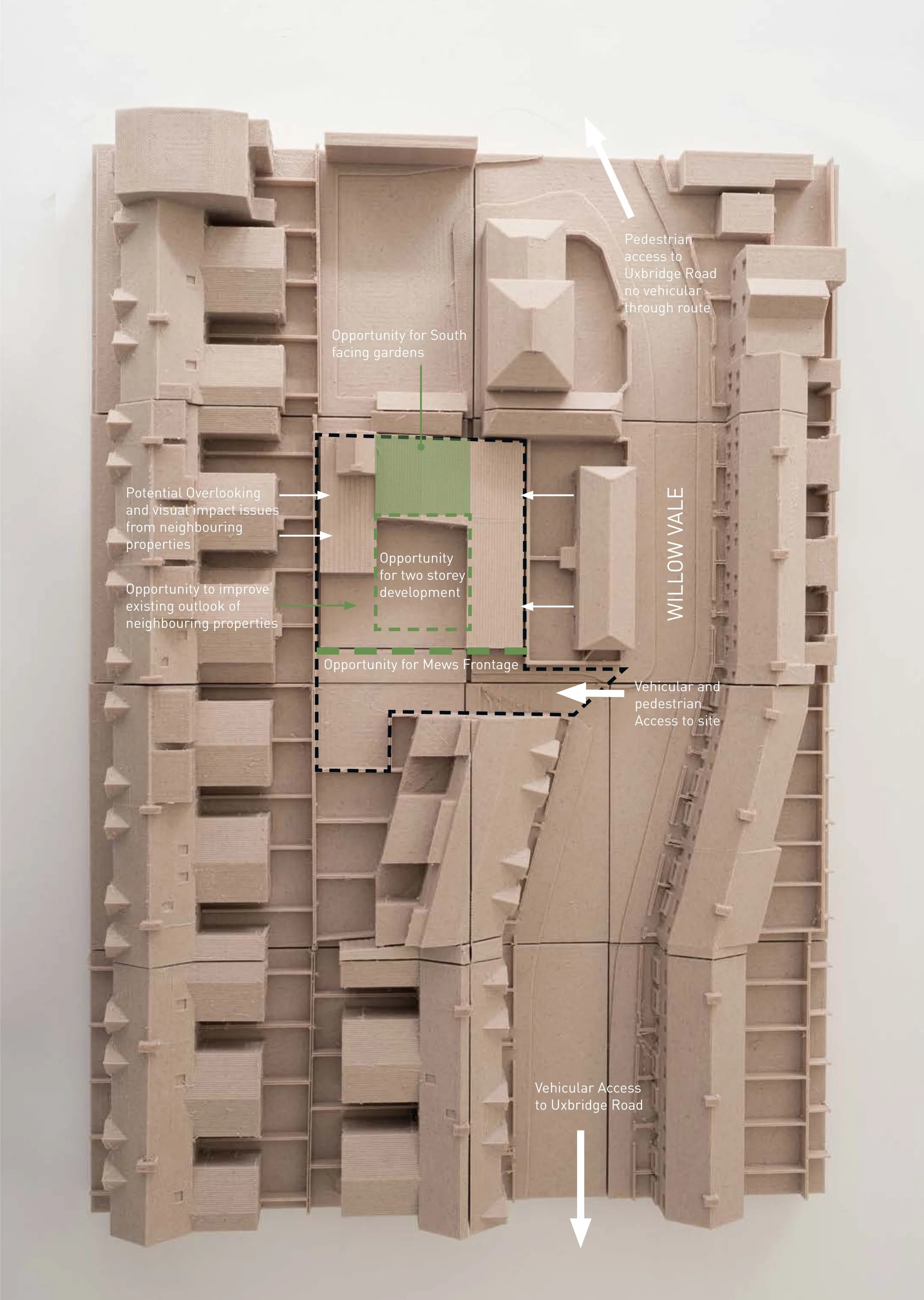
Why can rural extensions in Pembrokeshire cost more?
If you're planning a rural house extension in Pembrokeshire, the location itself can become an important consideration.
A remote property might have limited access for construction vehicles or require materials and trades to travel further.
There may also be:
narrow rural roads with difficult site access
sloping ground
private drainage or septic systems
older construction
agricultural buildings nearby
protected landscapes
conservation areas or listed buildings
None of these necessarily prevent a project from going ahead. They simply mean that the design needs to respond to the site from the beginning.
This is particularly important in rural architecture, where understanding the place can be as important as designing the building itself.
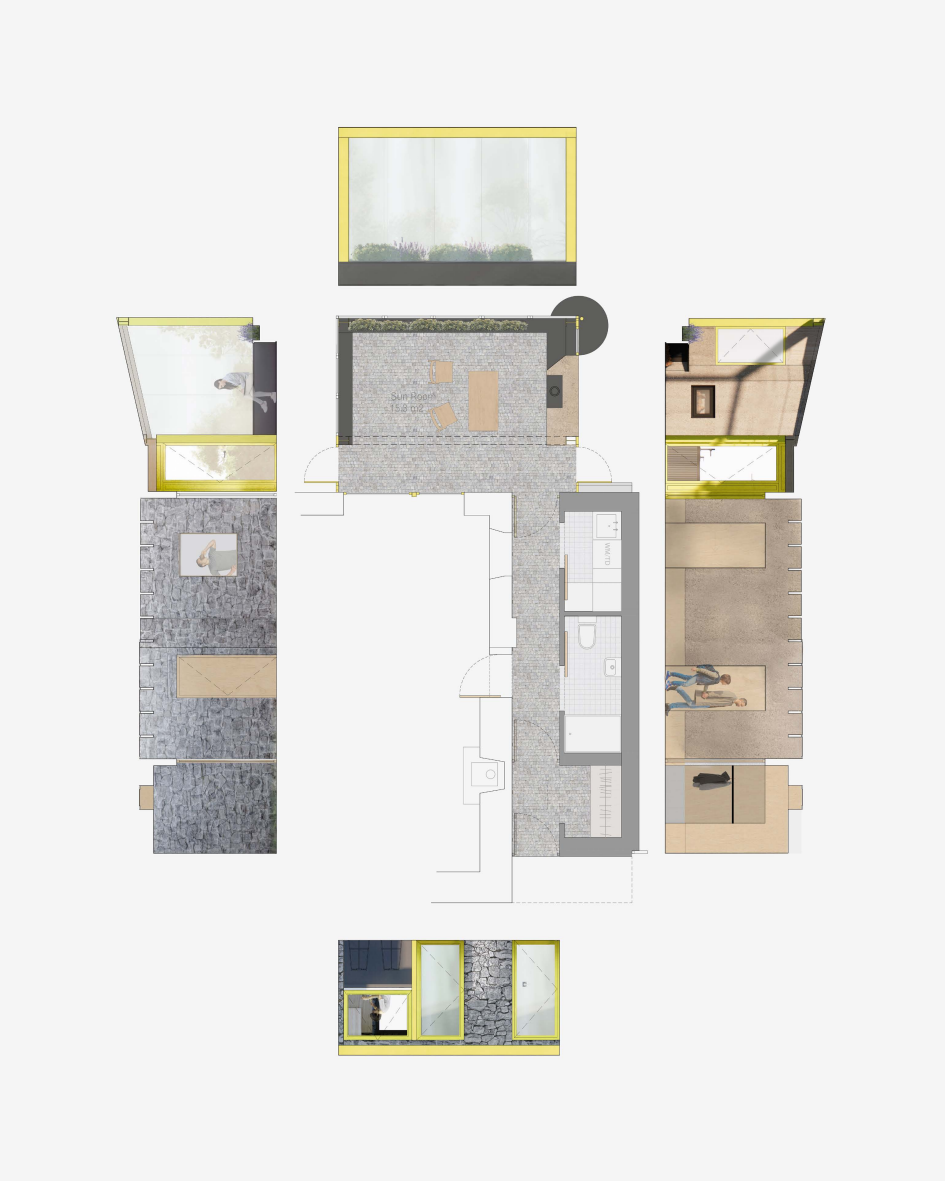
How much does a 20m² extension cost in Wales?
As a very broad guide, current published estimates for a 20m² single-storey extension in Wales vary considerably depending on specification. One 2026 guide puts a mid-range 20m² extension at approximately £32,000–£42,000, while other current sources suggest substantially higher budgets for more highly specified design-led extensions.
For this reason, we'd suggest treating online cost guides as a starting point rather than a quotation.
For example, a 20m² extension with standard windows, a simple roof and standard finishes will have a very different budget from a 20m² extension with:
large areas of glazing
natural stone
bespoke joinery
a new kitchen
underfloor heating
difficult foundations
The floor area is the same. The project isn't.
What about a 30m2 extension?
A 30m² extension might provide enough space for a generous kitchen and dining area, utility space and additional living space.
As with a 20m² extension, however, the final construction cost depends heavily on the specification and complexity.
Current published Welsh cost guides give indicative figures of approximately £36,000–£63,000 for a 30m² extension, depending on finish level, while higher-specification projects can exceed these figures.
For a Pembrokeshire property, we'd recommend getting a project-specific budget rather than applying a generic regional rate.
How much should you budget for professional fees?
The construction cost is only one part of the overall project budget.
You may also need to allow for:
architectural fees
structural engineering
planning fees
building regulations
measured surveys
specialist surveys
ecology
heritage advice
drainage design
landscaping
party wall matters where applicable
specialist consultants
The exact requirements depend on the project.
A simple extension to a modern house may require relatively few specialist inputs.
A rural cottage in Pembrokeshire could require considerably more investigation if it is listed, within a conservation area or subject to ecological or environmental constraints.
The Welsh Government notes that permitted development rights can also be more restricted in protected areas and that listed buildings are subject to additional considerations.
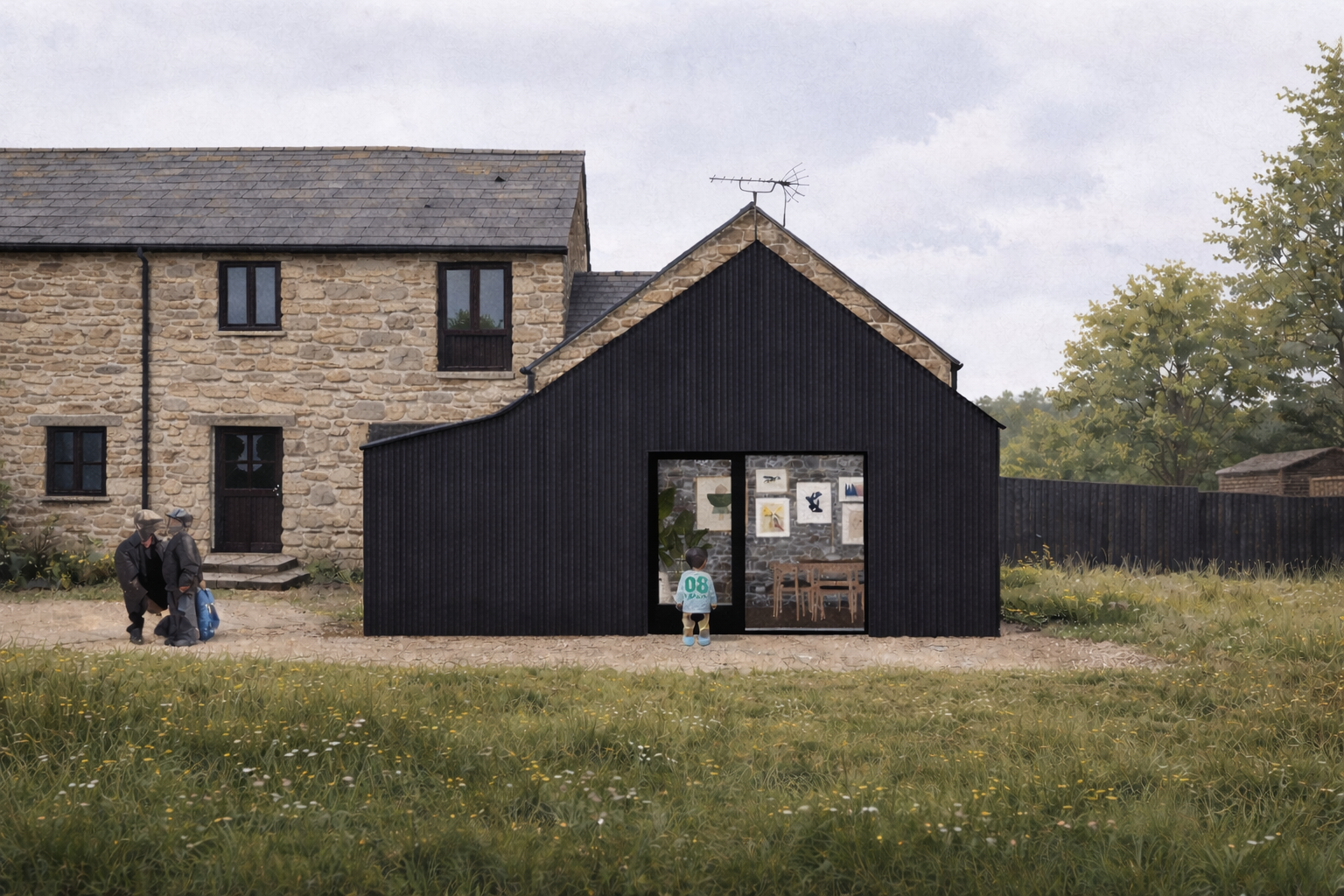
How can you keep the cost of an extension under control?
Good design isn't about making a project unnecessarily expensive.
In fact, one of the most valuable things an architect can do is help you understand where your budget will have the greatest impact.
We would typically consider:
Keep the structure simple
Straightforward forms and roof structures can often be more economical to build.
Make the existing house work harder
You may not need as much new floor area if the existing rooms are reorganised at the same time.
Prioritise where you spend money
You might decide that large windows and a carefully designed kitchen are worth investing in, while using simpler finishes elsewhere.
Think about materials early
The material palette can have a major effect on both appearance and cost.
Consider construction logistics
Particularly in rural Pembrokeshire, how materials and equipment reach the site can influence the cost.
Design for the long term
A slightly more considered investment in insulation, daylight, ventilation and building performance can improve how the house works for many years.
What does an extension cost in Pembrokeshire?
There isn't a reliable single figure for the cost of a house extension in Pembrokeshire.
A small, straightforward extension might be relatively economical, while a larger rural extension involving an existing stone building, difficult access, specialist materials or complex foundations can require a substantially larger budget.
Rather than asking:
"What does an extension cost per square metre?"
we think the more useful questions are:
What do you want the extension to achieve?
What is the existing building capable of?
What can your budget realistically achieve?
Answering those questions first gives you a much more useful basis for making decisions.
Looking for an architect for a house extension?
Walking Distance works with homeowners on house extensions, renovations and residential projects across Wales, with a particular interest in projects where the existing building and its surroundings need careful consideration.
Our experience includes working with traditional cottages, rural properties, existing buildings and constrained sites, developing proposals from early feasibility and concept design through planning and, where commissioned, construction.
For a project in Pembrokeshire, we can help you understand what may be possible before committing to a detailed design or construction budget.
Whether you're considering a cottage extension in Haverfordwest, a rural home renovation near Tenby, a house extension in St Davids or a residential project elsewhere in Pembrokeshire, we'd be happy to hear about it.
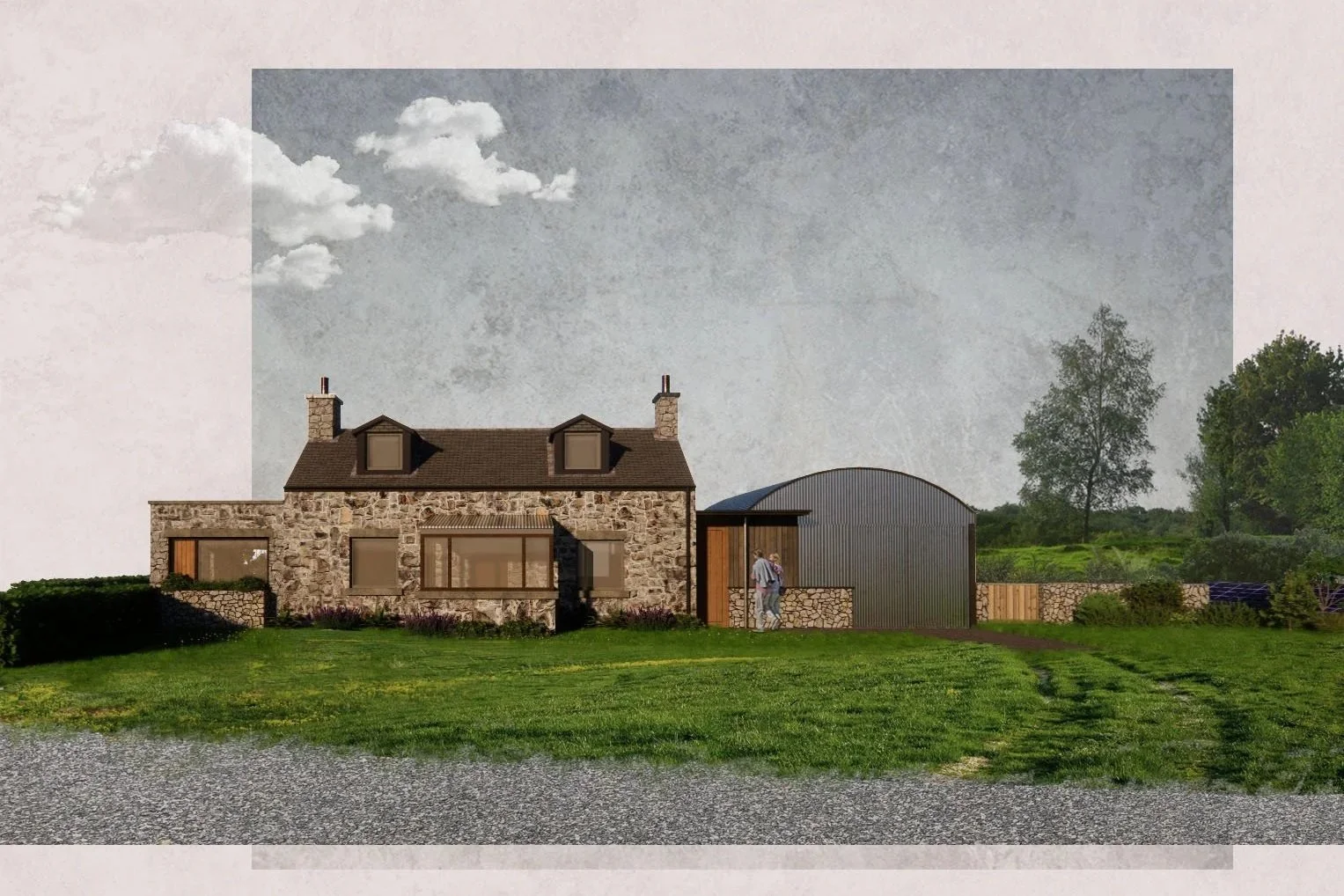
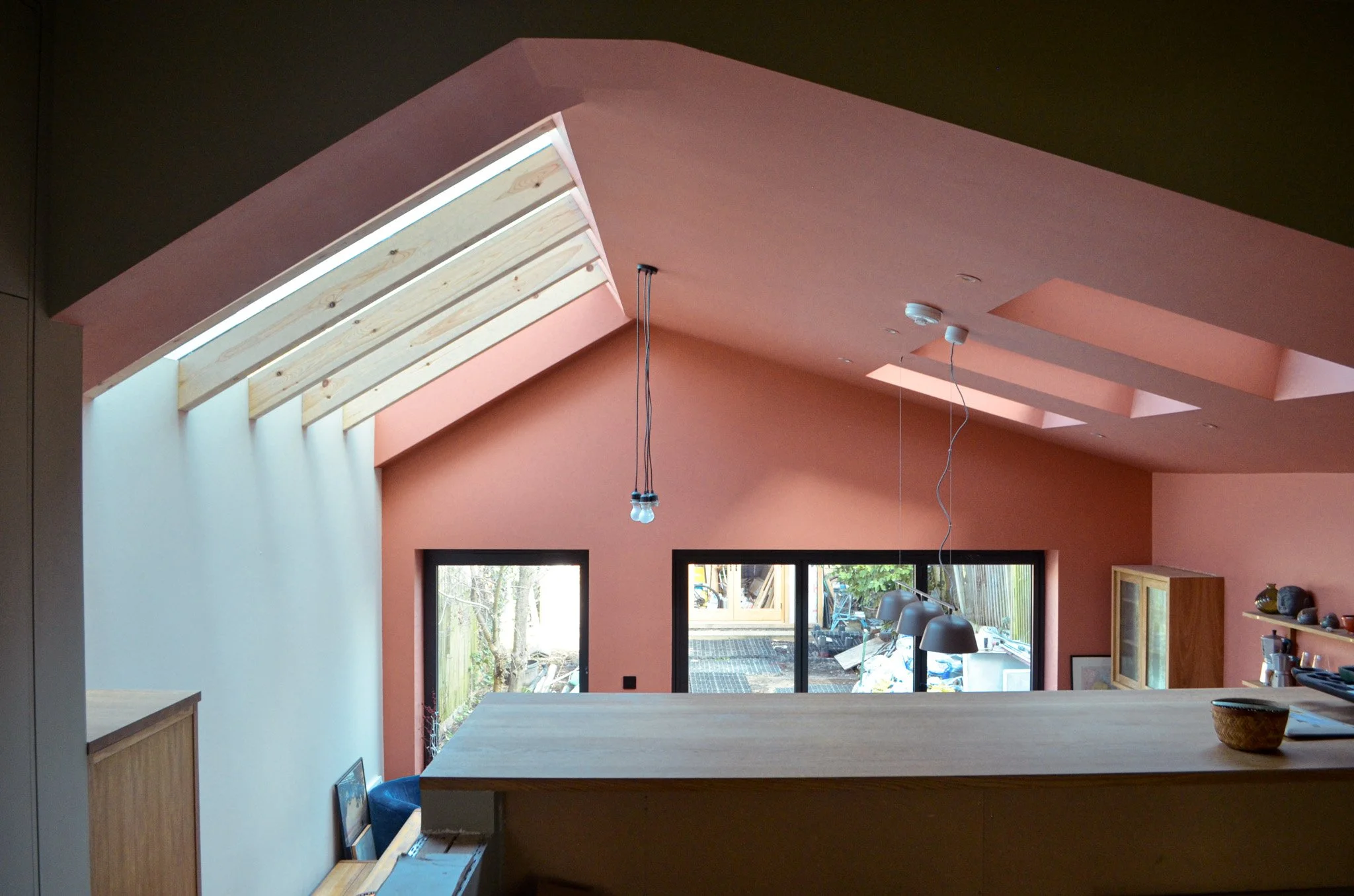
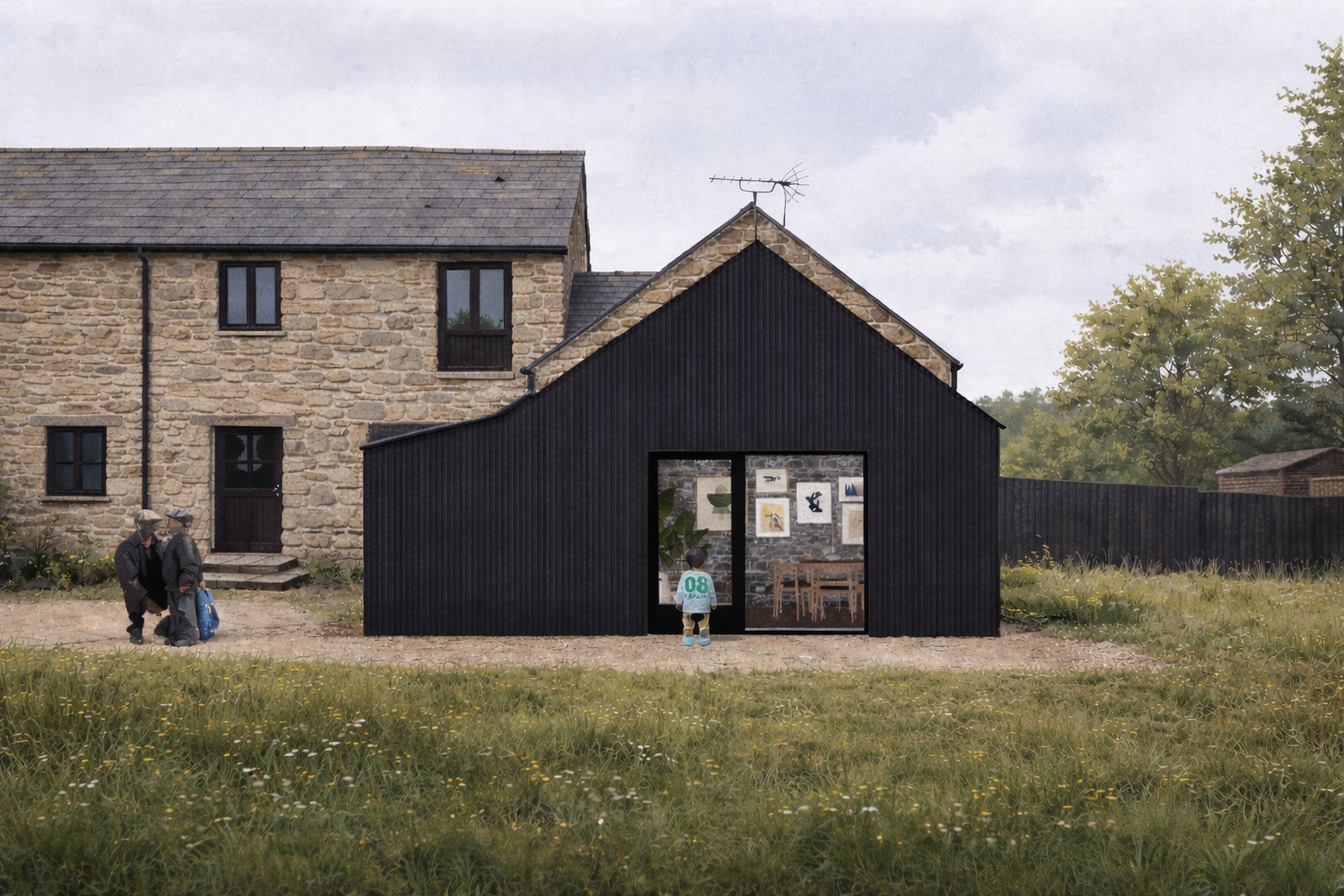
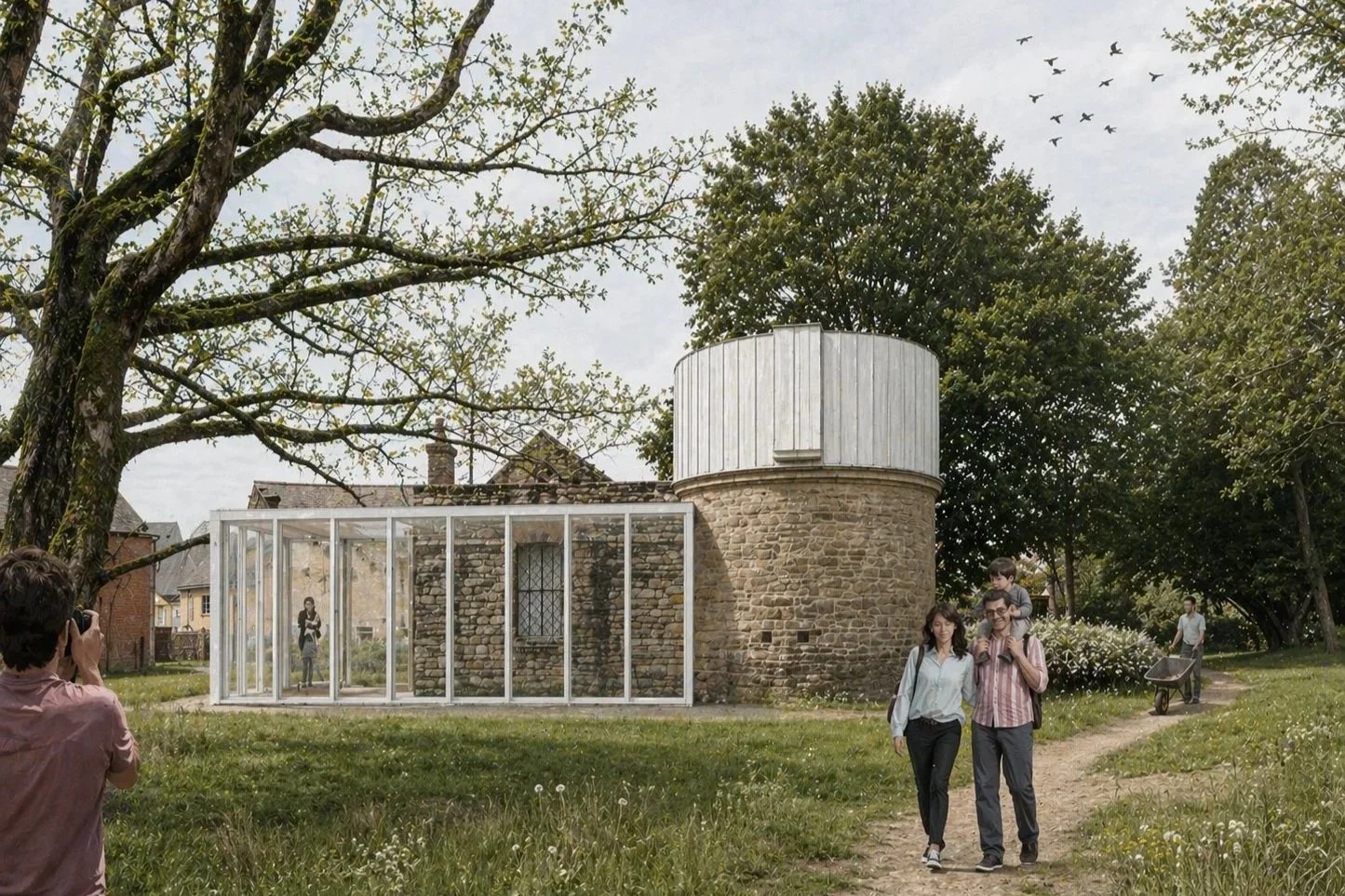
Recent Extension Projects
-
![]()
Jura Cottage Extension
-
![]()
Outram Road
-
![]()
Curlew Cottage Extension
-
![]()
Penllergare Observatory