Buying a House in Pembrokeshire: What to Look for Before You Buy
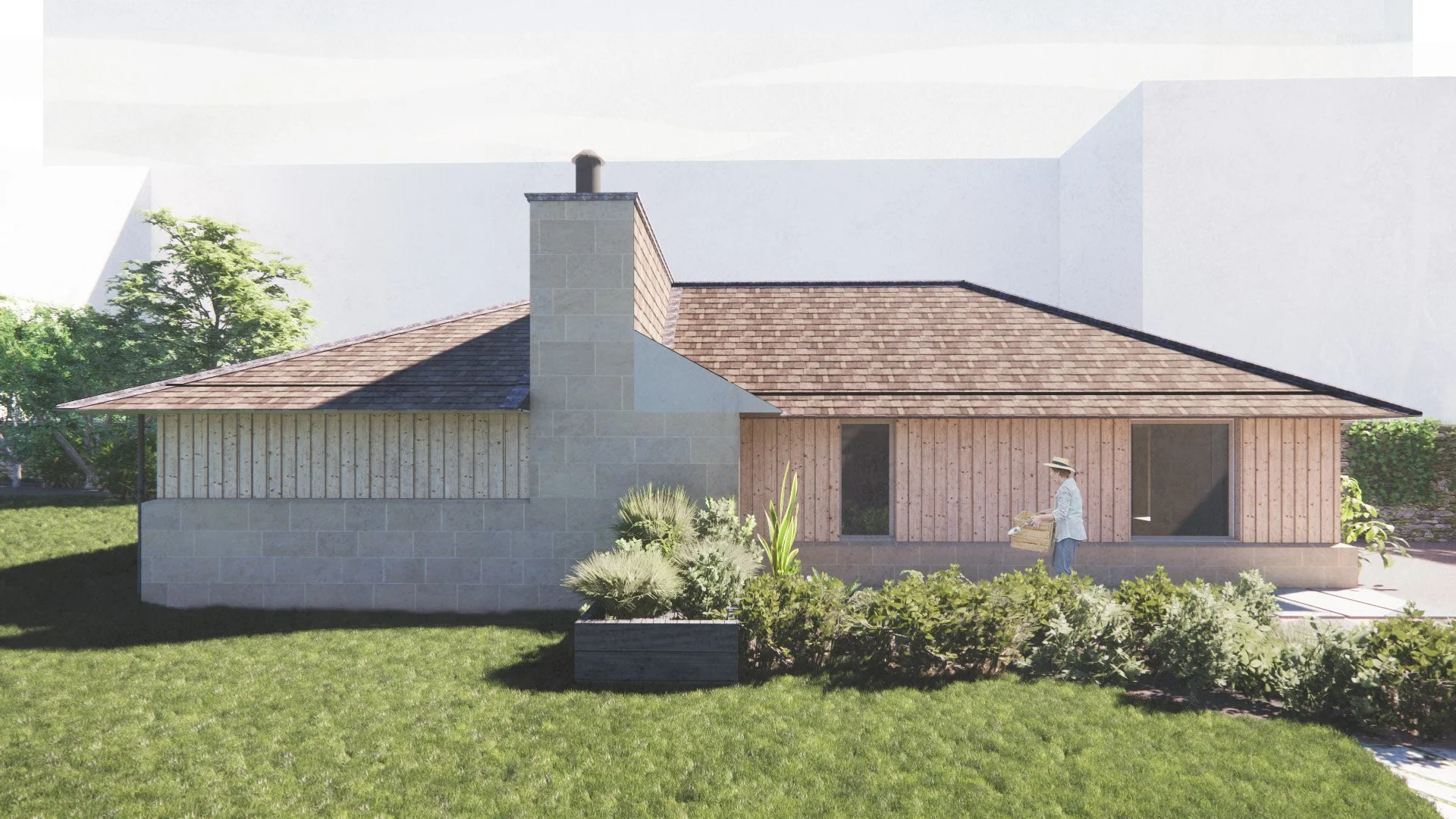
Buying a house in Pembrokeshire to renovate or extend? Find out what to look for, from planning and rural constraints to extensions, site potential and costs.
Buying a house in Pembrokeshire is often about more than finding the right number of bedrooms.
Perhaps you have found a stone cottage in the countryside, a house with a large garden, an old farmhouse, or a property that needs some work. It looks promising. You can already imagine opening up the kitchen, adding a bedroom, improving the connection to the garden or converting an outbuilding.
But before committing to a property, it is worth understanding what you can actually do with it.
A house that looks full of potential may have planning constraints, awkward levels, previous extensions, protected features or other limitations that affect what is possible. Equally, a property that initially looks difficult may have considerably more potential than you first expect.
For anyone buying a property in Pembrokeshire with the intention of renovating, extending or improving it, understanding that potential early can save considerable time, money and disappointment.
Look at the property as a whole
When viewing a house, it is easy to concentrate on the obvious things: the kitchen, bathrooms, decoration and whether the rooms are big enough.
Try to look beyond the existing layout.
Consider:
How does the house sit within its site?
Which rooms face south or west?
Where does the garden get the best sunlight?
Could the house connect better to the outside?
Are there unused or poorly used parts of the building?
Is there space for an extension?
Could the roof space or an existing outbuilding be useful?
How have previous extensions changed the original house?
Are there neighbouring properties that could affect future development?
These questions start to reveal the difference between a house you like and a property with genuine potential.
That distinction becomes particularly important when you are buying an older or rural property.
Older properties need careful consideration
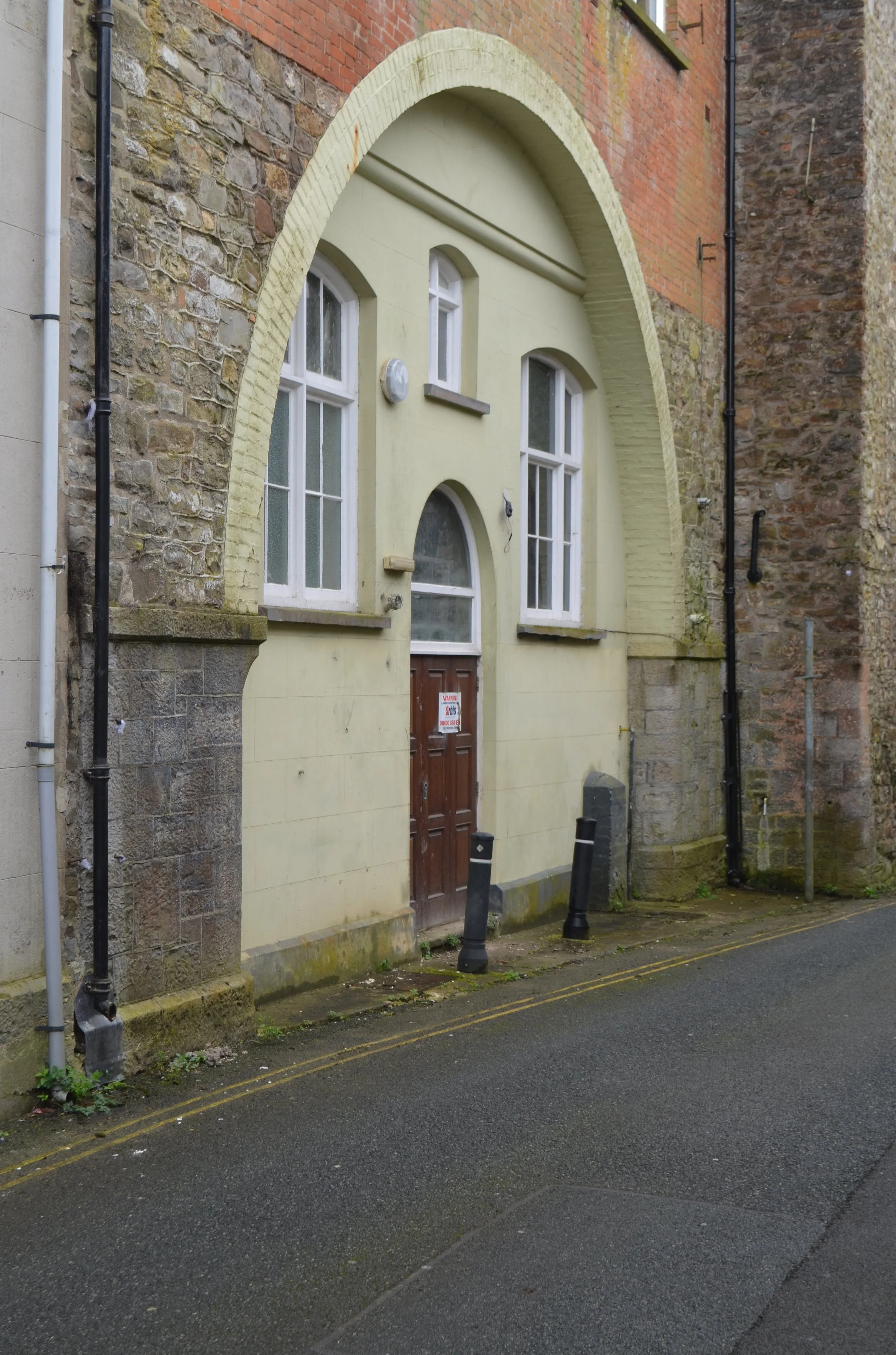
Pembrokeshire has a wide range of older properties, from traditional cottages and farmhouses to Victorian houses and more recent rural homes.
Older buildings often have special qualities that are difficult to recreate: aged materials, position, mature gardens and a strong relationship with their surroundings.
They can also come with complications.
Previous alterations may have created awkward layouts. Walls may not be where you expect them to be. Levels can change significantly across a site. Extensions may have been added at different times and in different styles.
There may also be planning or heritage considerations.
This does not mean an older property is a bad investment. It means that the building itself needs to be understood before deciding what to change.
A successful renovation is usually about finding the opportunities within the existing building rather than simply replacing everything that does not work.
Rural properties need particular care
A rural property can look as though it has plenty of room for development simply because the site is large.
That does not necessarily mean that planning will be straightforward.
The relationship between a building and the surrounding landscape can be important, particularly where a proposal would change the appearance or scale of an existing rural building.
Design guidance for rural development in Wales commonly emphasises the relationship between an extension and the existing building, including its scale, form, materials and character.
This is particularly relevant to traditional properties.
A large extension might technically fit within the garden but still be a poor response to the building or its landscape setting. A smaller, better-positioned addition may achieve considerably more.
The question is therefore not simply how much land is available, but how that land, building and surrounding landscape work together.
The Impact of Pembrokeshire Coast National Park
Some of the most attractive properties in Pembrokeshire are also in particularly sensitive locations.
If a property is within the Pembrokeshire Coast National Park, planning considerations can be different from those affecting a typical suburban house.
The Welsh permitted development rules themselves include additional restrictions for certain extensions in National Parks and other designated areas.
This does not mean that extending a house in the National Park is impossible.
It means that the design, siting, landscape impact and relationship with the existing building need to be considered carefully.
If you are buying a property in a sensitive location because you love its setting, it makes sense to consider how any future changes could affect that same quality.
Check what planning might allow
One of the biggest mistakes when buying a property with renovation potential is assuming that an obvious extension will automatically be possible.
Some householder works can fall within permitted development rights, but there are limits. These vary according to the type of extension and the circumstances of the property. Designated areas such as National Parks and conservation areas can also have additional restrictions.
Previous extensions matter too. Welsh Government guidance defines the “original house” for permitted development purposes by reference to when it was first built or its position in 1948 for older properties, meaning an extension added by a previous owner can affect the calculation.
For a property in or around Pembrokeshire, it is worth checking the planning history rather than relying on what the estate agent description suggests might be possible.
If you are buying specifically because you want to extend or alter a property, this can be one of the most valuable pieces of due diligence you carry out.
Look at previous planning decisions
A property's planning history can tell you a surprising amount.
Previous applications may reveal:
What extensions have already been considered
Which parts of the site have caused problems
Whether permitted development rights have been restricted
How the planning authority has approached previous proposals
Whether previous owners have already tested the property's development potential
This can be particularly useful when buying a house where your plans depend on making significant alterations.
It is also worth remembering that planning permission is not the only consideration. Most extensions will also need to comply with Building Regulations, which deal with matters including structure, insulation, drainage, ventilation and fire safety
Think about the real cost of the project
The purchase price is only part of the cost if you are buying a property to renovate or extend.
Older or rural houses may need work to the roof, structure, insulation, windows, drainage or services before you even start thinking about an extension. You also need to allow for professional fees, planning, Building Regulations and construction.
A cheaper property is not necessarily the cheaper project.
Sometimes a house that costs slightly more but has a good structure, useful orientation and realistic potential for alteration can make much more sense financially. Understanding this before you buy can help you compare properties on something more meaningful than the asking price alone.
If the potential for improvement is central to your decision, a little investigation before buying can be worth far more than trying to solve problems afterwards.
Understand the opportunity before you commit
You do not need a finished architectural design before buying a house. But if the property's potential is one of the reasons you want to buy it, an early conversation with an architect can be valuable.
At Walking Distance, we can look at an existing property and help you understand its opportunities and constraints. We might consider how the layout could change, where an extension could work, how the building relates to the landscape and whether there are planning issues that need investigating.
The aim at this stage is not to design the whole project. It is to give you a clearer understanding of what you are buying and what you might be able to make of it.
We work with existing buildings, rural properties, extensions and new homes across Wales, combining architectural design with an understanding of planning and the practical realities of developing a property. If you're considering buying a housein Pembrokeshire, Haverfordwest, Tenby, St Davids, Narberth or elsewhere in West Wales, we'd be happy to have an initial conversation about your property and what you're hoping to achieve.
Recent Extension Projects
-
![]()
Jura Cottage Extension
-
![]()
Outram Road
-
![]()
Curlew Cottage Extension
-
![]()
Penllergare Observatory