Centre for Gig Workers
_Location: Glasgow
_Sector: Cultural / Community
_Project Type: Speculative Research Project
_Size: 2,865 sqm / 30,840 sqft
_Role: Concept Design & Research
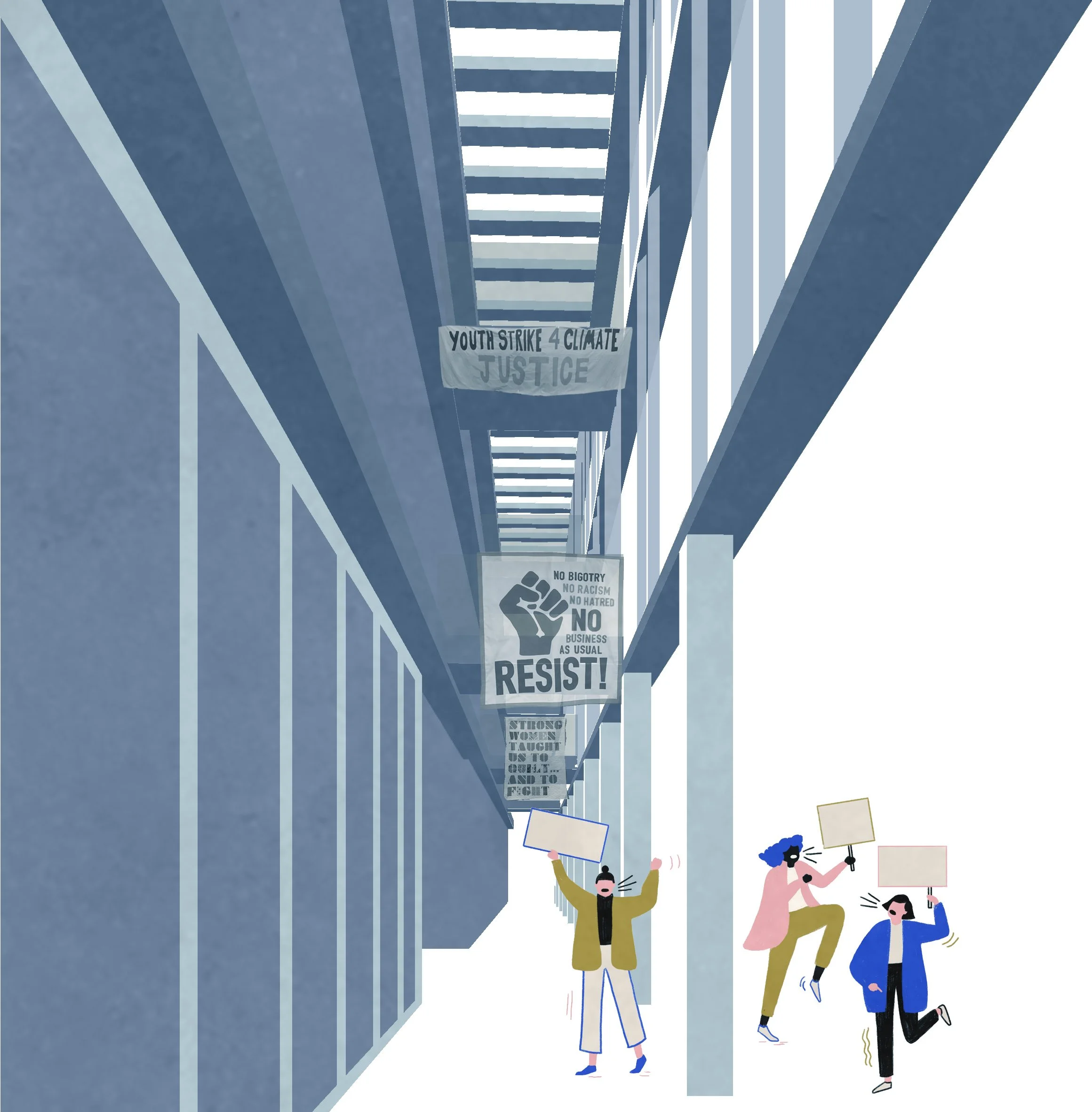
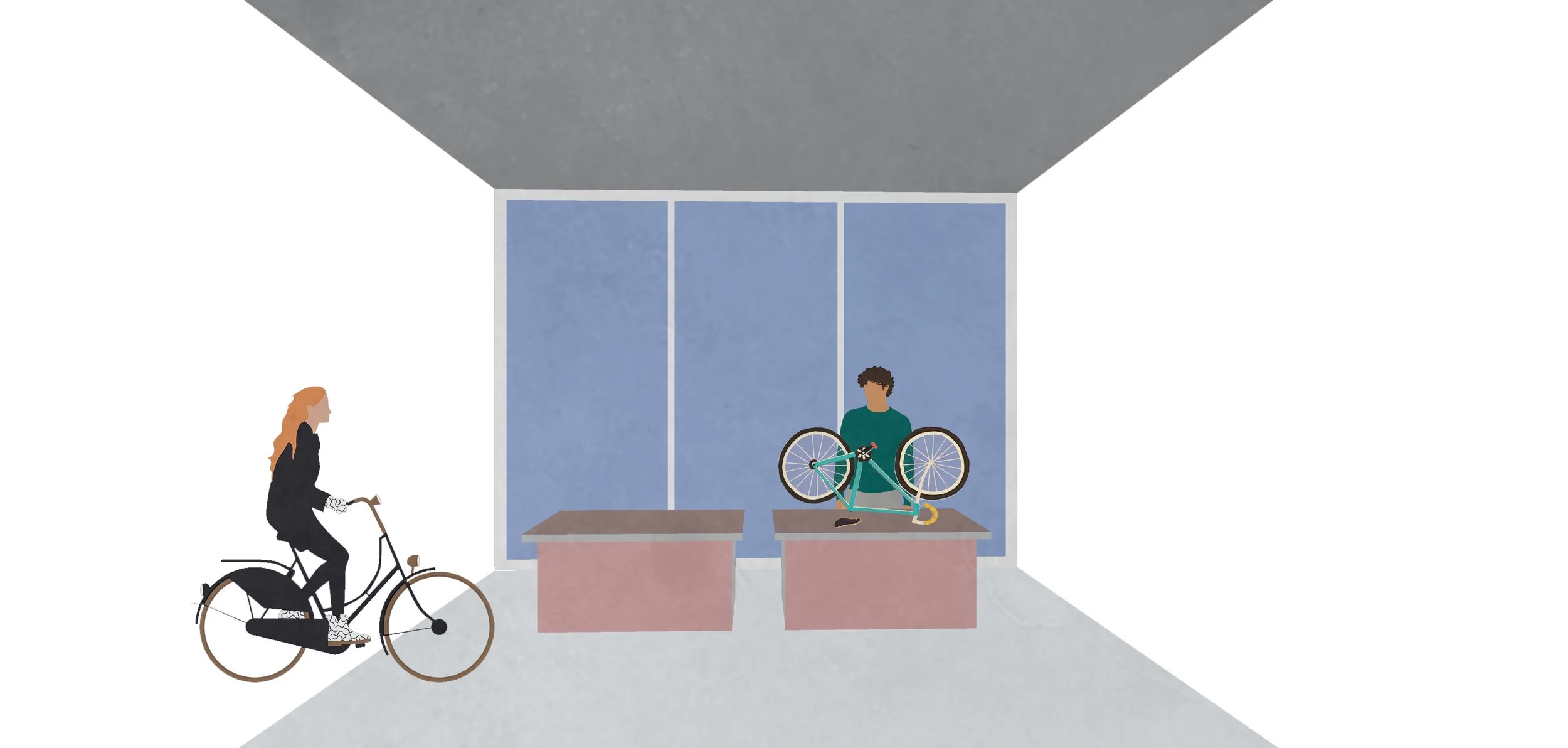
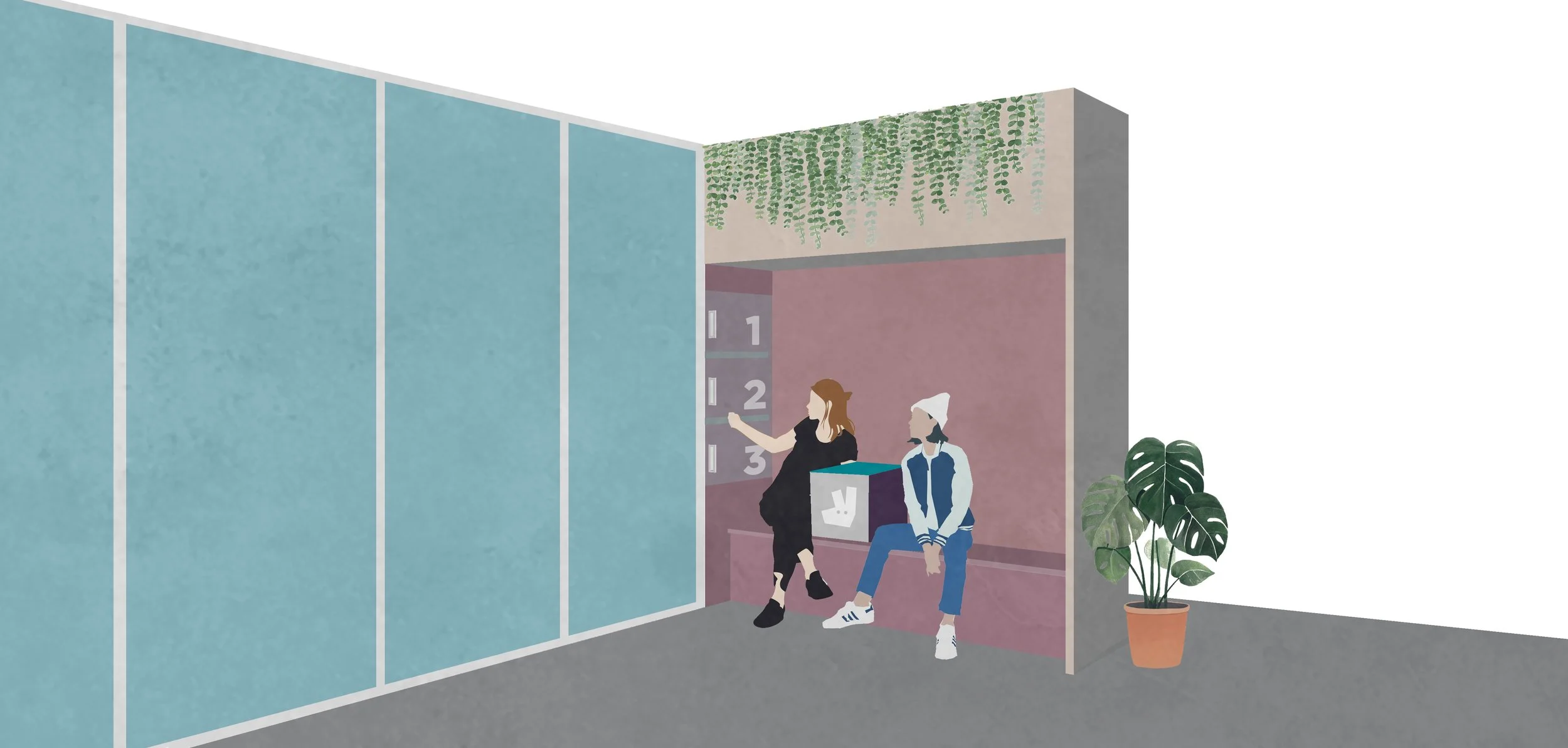
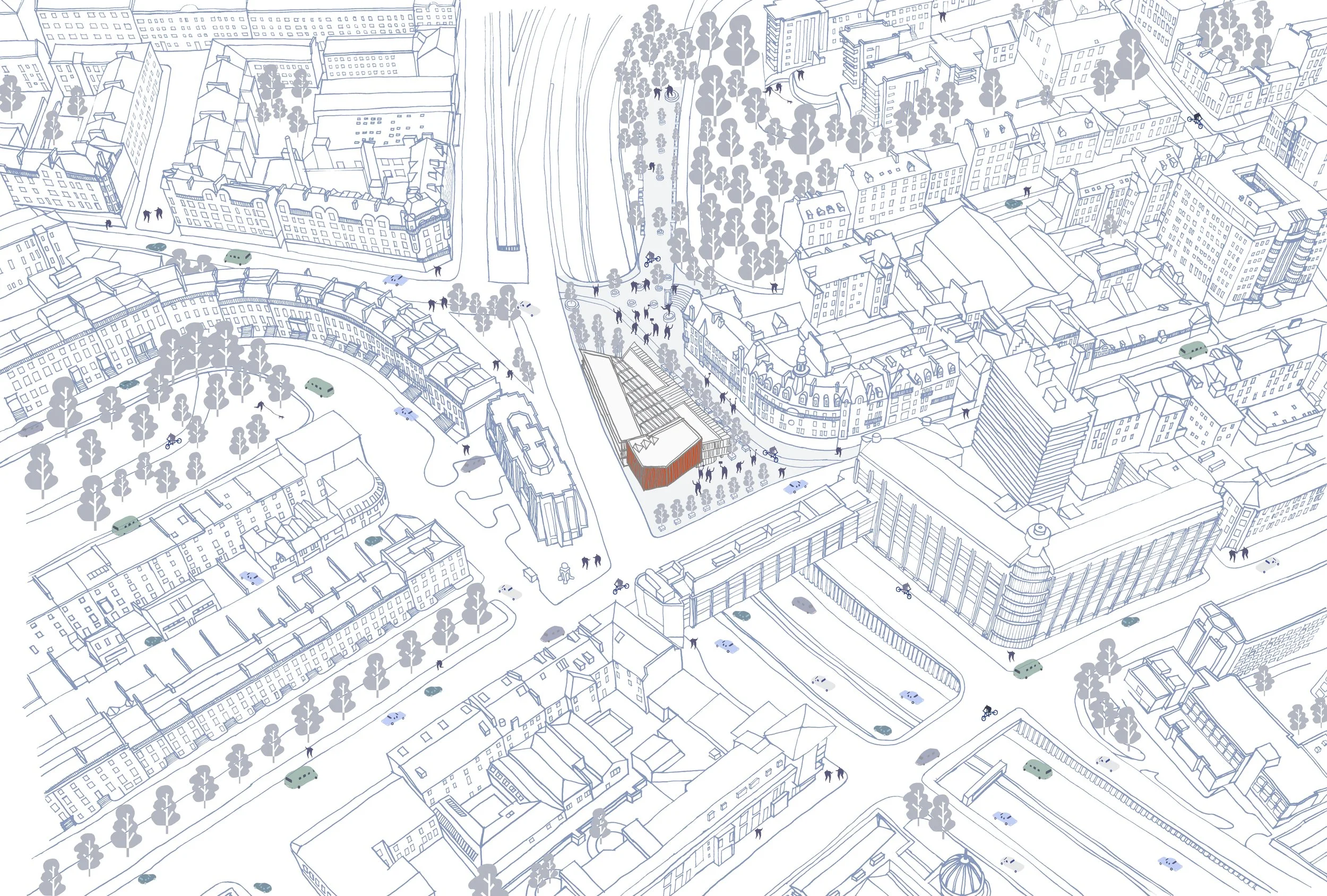
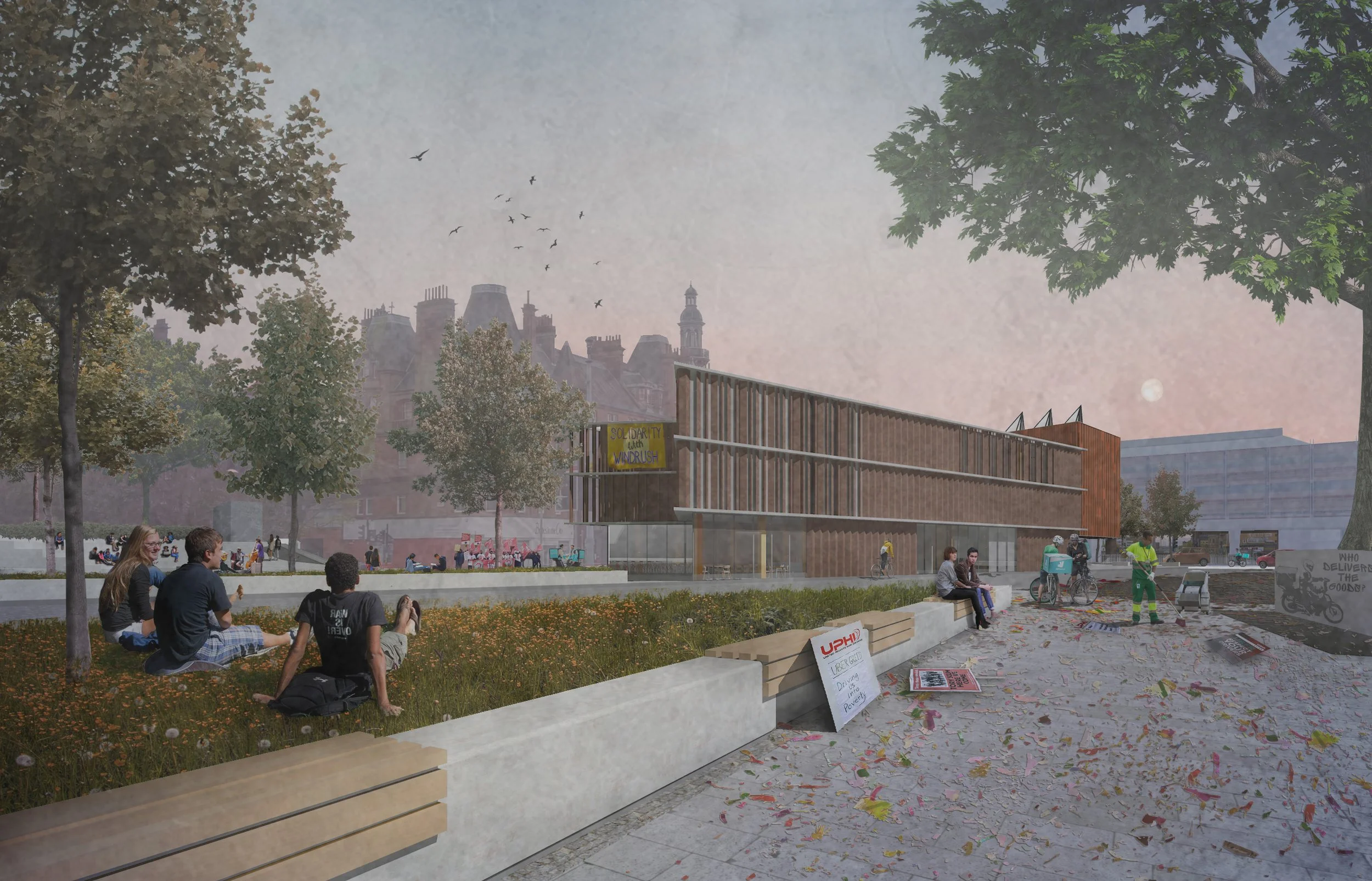
This speculative project explores how architecture can support the changing nature of work by creating a civic hub for gig economy workers in Glasgow. Positioned within the underused spaces surrounding the M8 motorway, the proposal reimagines forgotten infrastructure as a place for gathering, learning and organising. Rather than viewing the motorway solely as a barrier, the project transforms residual land into a new piece of social infrastructure that reconnects communities separated by the city's largest physical divide. The building provides flexible spaces where workers can meet, rest, access advice, organise collectively and build community within an increasingly fragmented workforce.
-
_A new civic hub supporting gig economy workers
_Community facilities for learning, advice and advocacy
_Public spaces encouraging gathering and informal interaction
_A design strategy that reconnects divided communities
_Exploration of architecture as a tool for social value and urban regeneration
-
The project began by examining the spaces created by Glasgow's motorway infrastructure and the barriers it has introduced between neighbourhoods. Rather than treating these residual spaces as forgotten land, the proposal reimagines them as valuable civic assets capable of reconnecting communities. The architecture responds directly to the scale, materiality and industrial character of the M8, transforming an overlooked site into an active public destination.
-
The design is centred on the needs of gig economy workers, recognising that many lack permanent workplaces, opportunities for collaboration and access to support networks. The proposal creates spaces to work, meet, learn, organise and rest, fostering a stronger sense of community while providing flexible environments that respond to changing patterns of employment.
-
The project demonstrates how underused infrastructure can accommodate new forms of civic architecture. By activating neglected urban land, the proposal creates opportunities for social value, public life and economic resilience, showing how architecture can contribute to both regeneration and community wellbeing without relying on large-scale redevelopment.
-
The proposal developed through research into changing patterns of work, urban infrastructure and civic space, translating complex social issues into a clear architectural response. The design uses simple, adaptable building forms and flexible programme arrangements to demonstrate how architecture can create practical, inclusive places that evolve alongside the communities they serve.
-
Community Architecture
Cultural Building Design
Civic Architecture
Concept Design
Feasibility Studies
Urban Regeneration
Public Realm Design
Community Engagement
Adaptive Urban Design
Architectural Research
Design Development
Spatial Strategy
Masterplanning
Architectural Visualisation
Social Value Design