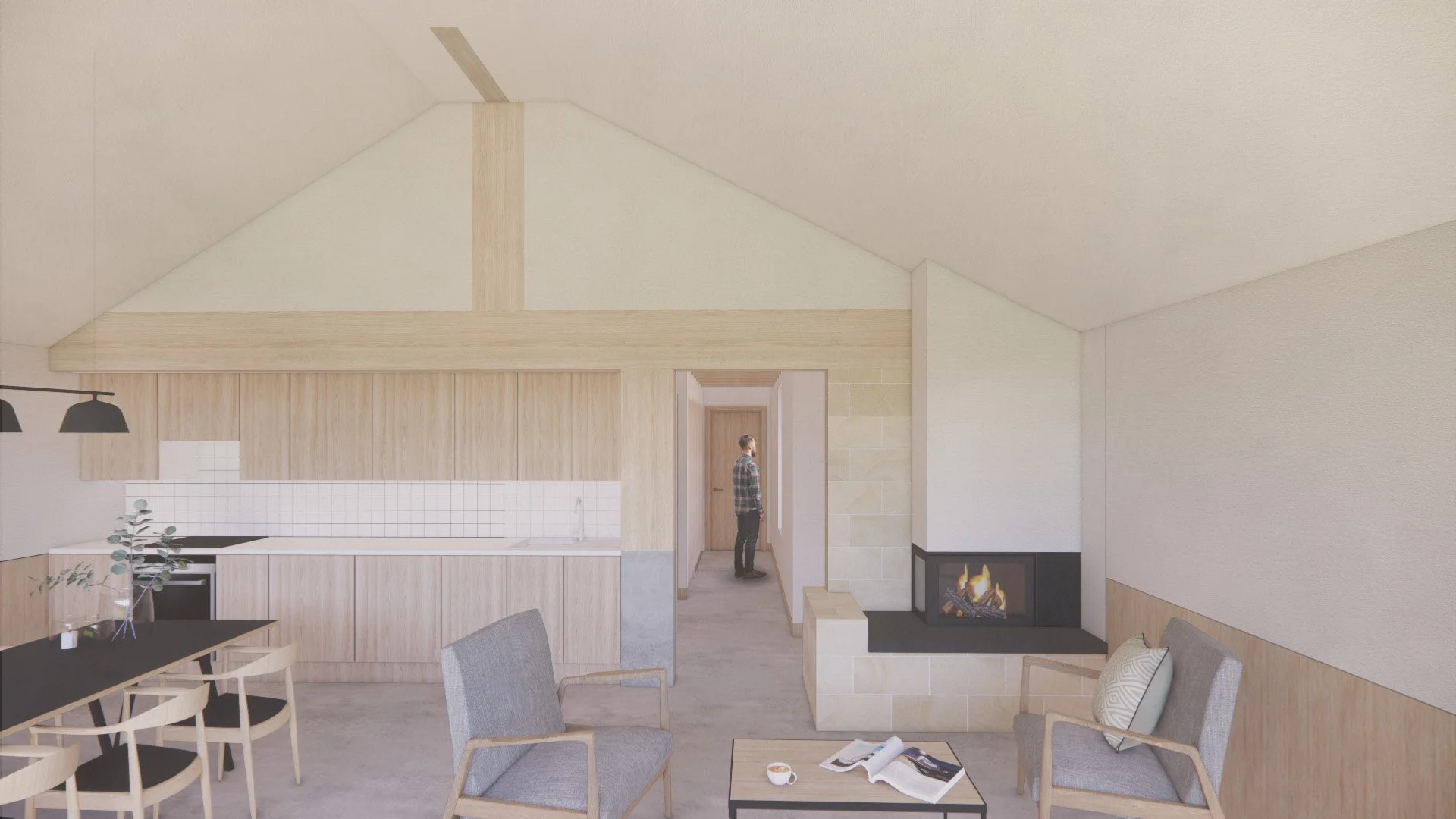
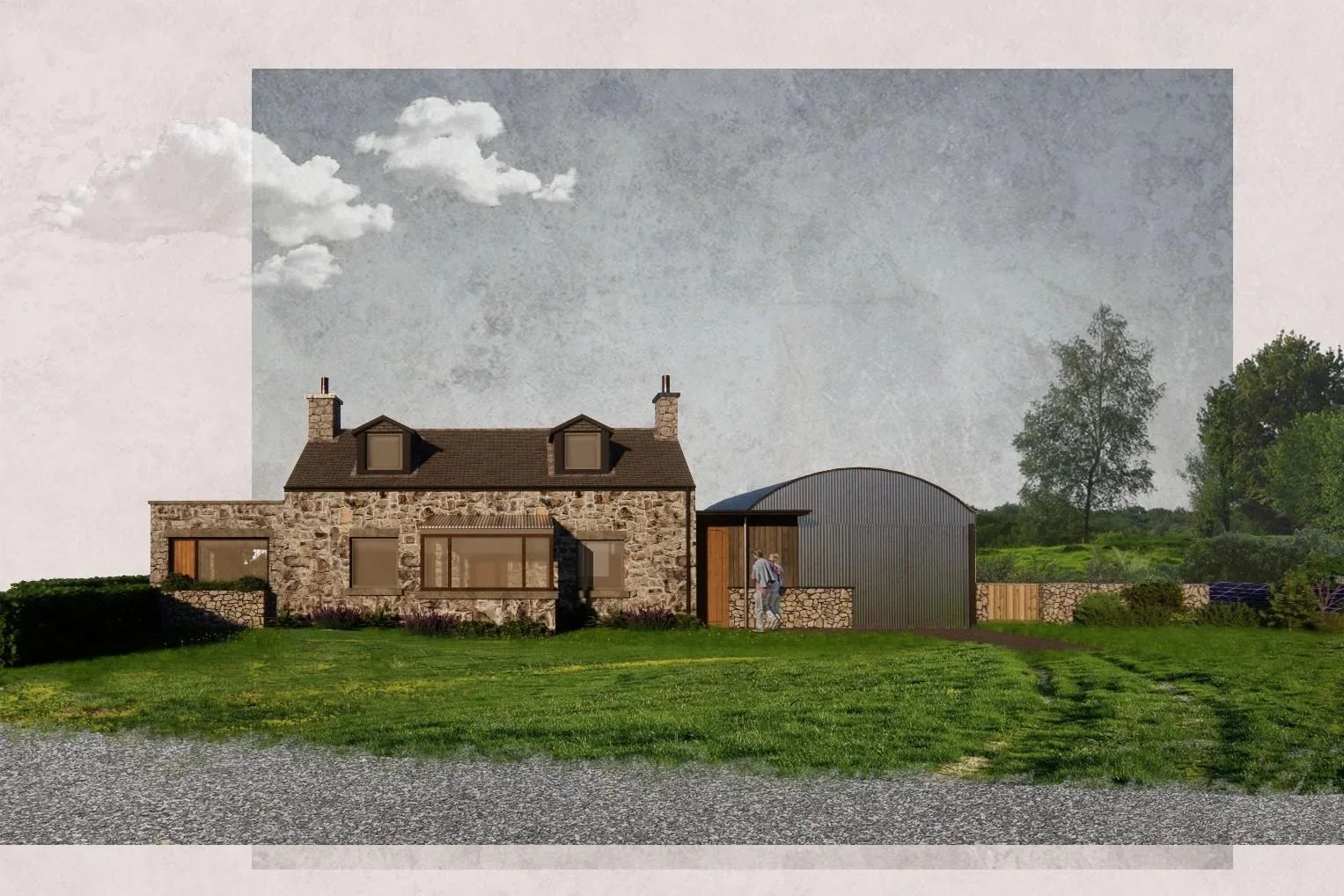
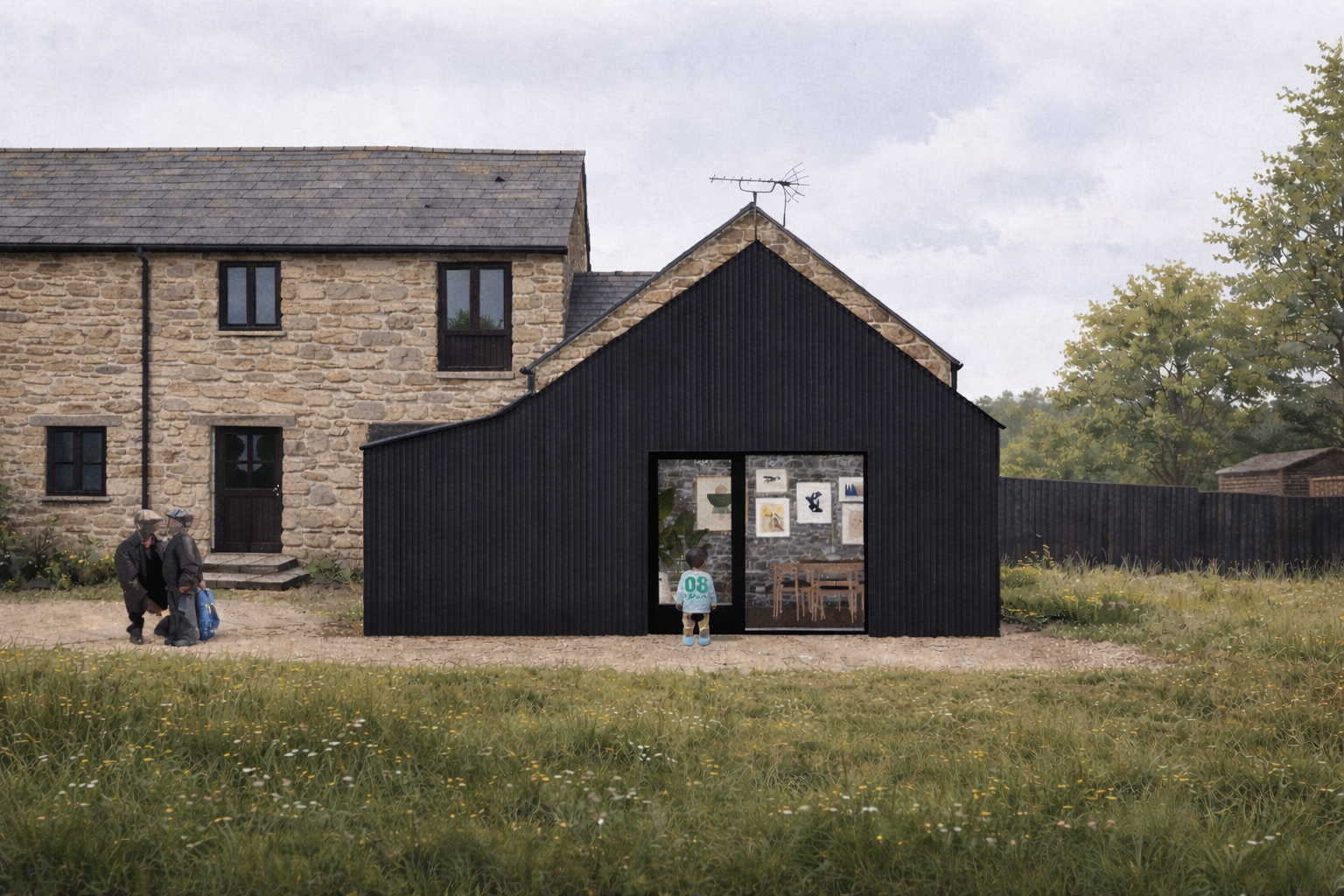
Building your own home offers the chance to create something that responds to your needs, your site and the way you want to live. Understanding the planning, design and budget early can help you make better decisions from the outset.
Building a New House in Wales:
What to Consider Before You Start
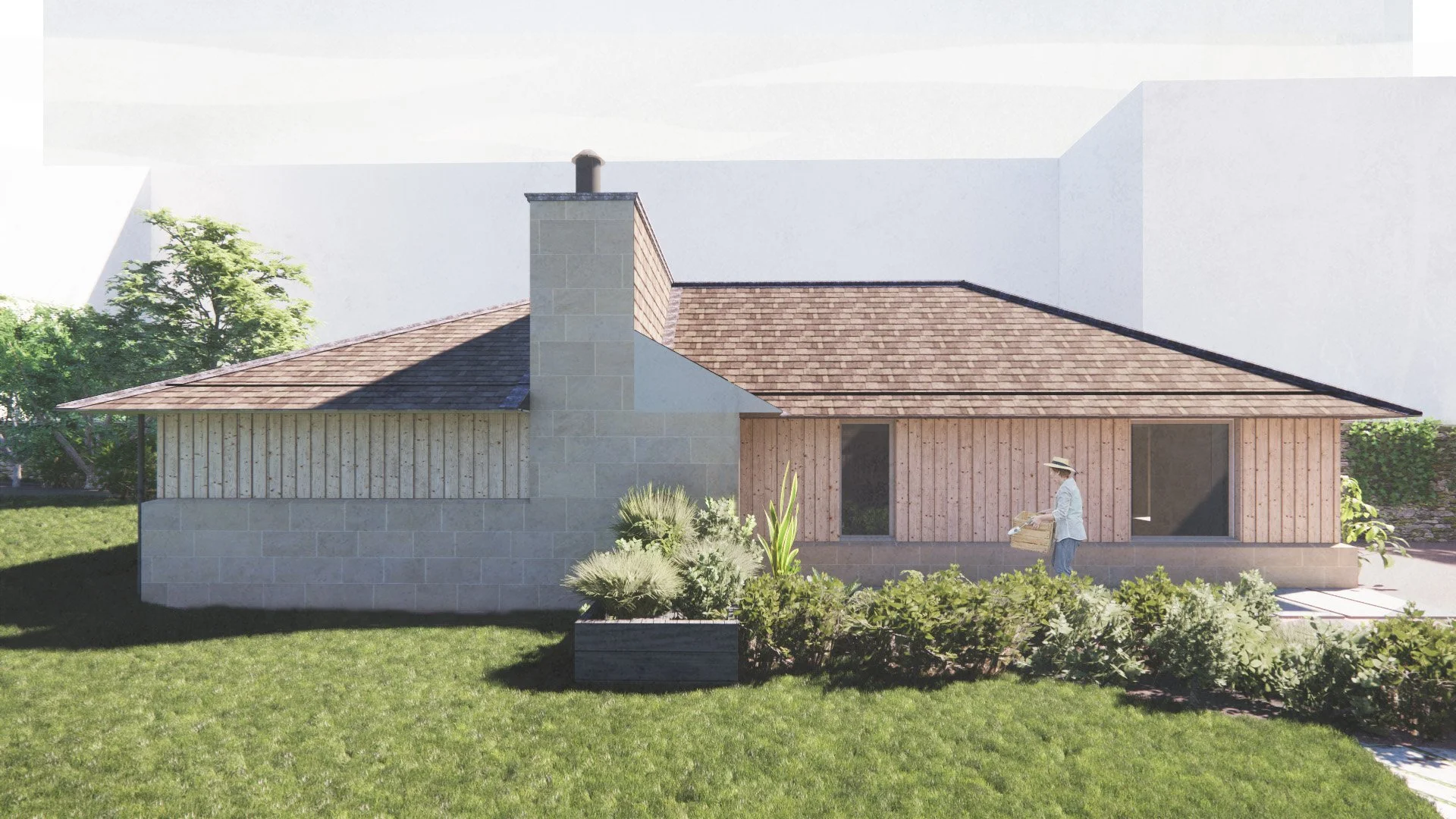
Building a new house in Wales is an opportunity to create a home around your priorities, whether that means a rural setting, a better connection to the landscape or a layout designed specifically for your life. But finding a site and developing a design are only part of the process. Planning constraints, access, ground conditions and construction costs can all influence what is achievable. Understanding these factors early helps you establish a realistic route from an initial idea to a home you can build.
Choose a site with potential
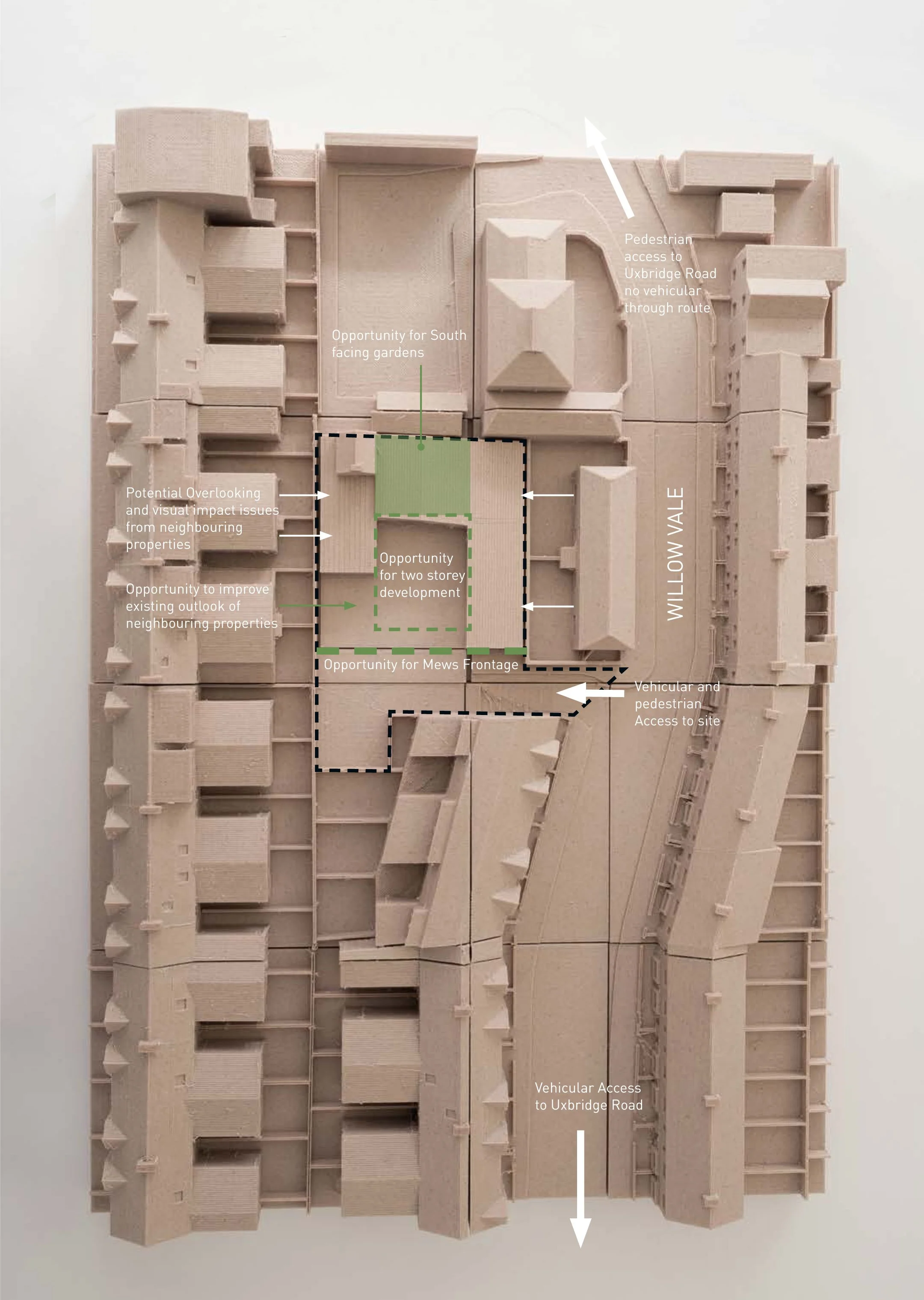
A beautiful plot does not automatically make a suitable building site. Access, drainage, ground conditions, orientation and neighbouring properties can all affect the design and cost. In rural Wales, the relationship with the surrounding landscape and the principle of development in that location may also be significant. Before buying land, investigate its planning history and any known constraints. Early architectural advice can help you assess whether the site suits your ambitions and where further investigations may be needed.
Understand planning permission
Planning permission for a new home depends on the location, planning policies and specific circumstances of the site. A plot within a settlement may present different opportunities from one in open countryside, where new residential development can face greater restrictions. Sites within the National Parks or other designated areas require particular care. Researching local planning policy before committing to land can help you understand the likelihood of securing permission and avoid spending money on a site that cannot deliver the home you have in mind.
Establish a realistic budget
Your budget needs to cover more than the construction itself. Site purchase, surveys, professional fees, planning costs, connections to utilities, access works, landscaping and contingency can all affect the total. A rural plot may require additional drainage or infrastructure, while difficult ground conditions can increase foundation costs. Establishing a realistic overall budget early helps you make informed choices about the size, specification and complexity of the house. It also gives the design process a clear framework from the beginning.
Design for the site and the way you want to live
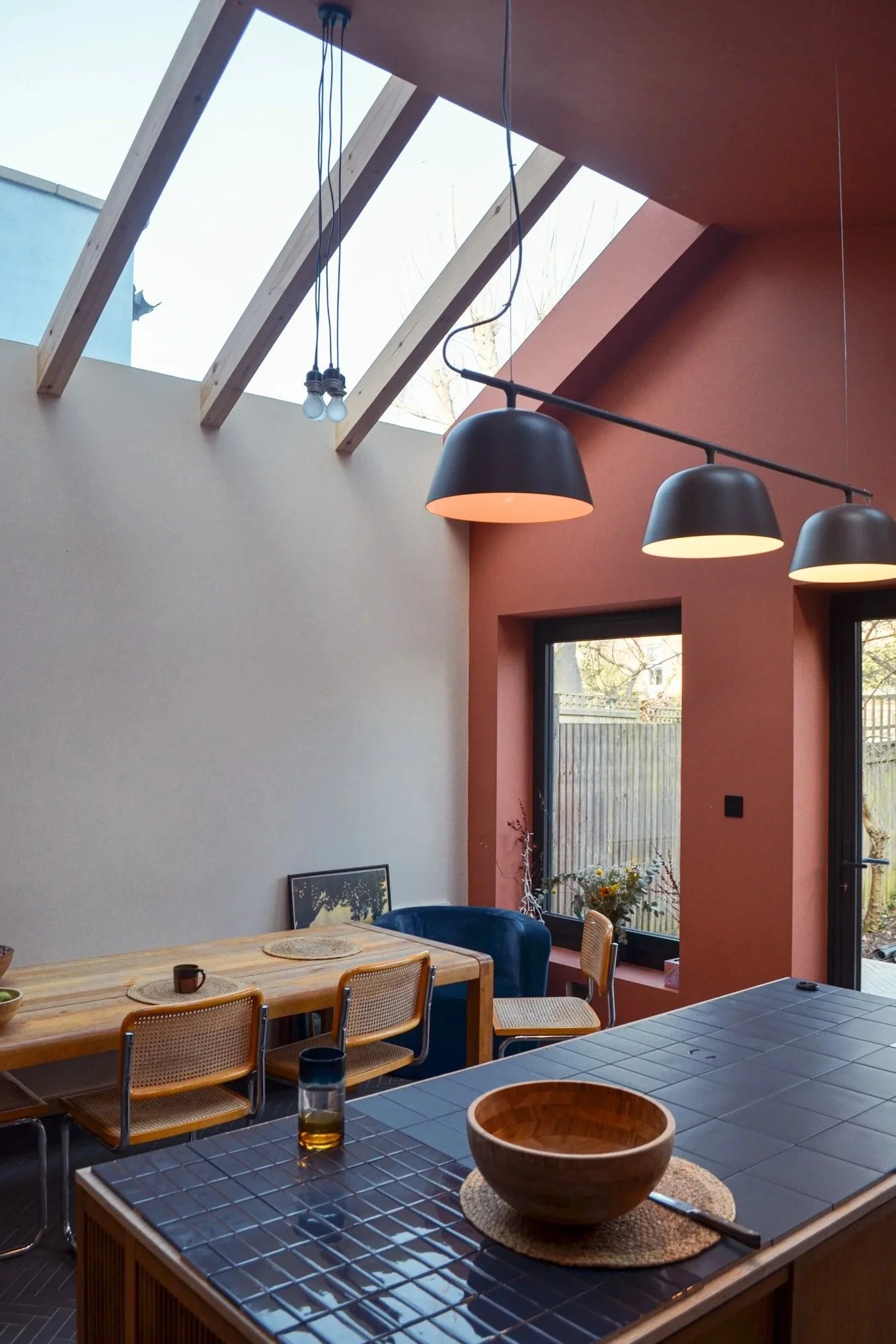
A successful new home responds to both its setting and the people who will live in it. Orientation can influence daylight, warmth and views, while the arrangement of rooms affects privacy, movement and how the house feels day to day. In rural Wales, the landscape can be an important part of the experience of living in the house. Thoughtful design can make the most of these qualities without creating unnecessary floor area or complexity. The aim is a home that feels right for its place and works well over time.
Consider energy performance
Energy efficiency is easier to integrate when it is considered from the earliest design stages. The building's orientation, form, insulation, airtightness, ventilation and heating system all influence performance. Good daylight and careful window placement can also improve comfort and reduce reliance on artificial lighting. These decisions need to work together rather than being treated as separate upgrades at the end. A well-considered design can help create a comfortable home with manageable running costs, while meeting the relevant Building Regulations requirements.
Understand the design and construction process
A new home typically progresses through early feasibility, concept design, planning, technical design and construction. The precise stages and level of architectural involvement will depend on the project and the service you appoint. Surveys and specialist consultants may also be needed along the way.
Understanding what each stage delivers helps you plan decisions, fees and timescales. It is particularly useful to clarify how the design will be developed into buildable information and how contractors will be selected before construction begins.
Get architectural advice early
An architect can help you assess a site, understand planning constraints, develop the brief and explore design options before decisions become expensive to change. At Walking Distance, we bring together architectural design, contextual thinking and an understanding of planning and development considerations. We work with clients to establish what is achievable, identify the important decisions and develop a design suited to the site, budget and intended way of living.
If you are considering building a new home in Pembrokeshire or elsewhere in Wales, Walking Distance can help you understand the potential of your site and work out the right next steps. Get in touch to discuss your plans.
Recent Housing Projects
-
![]()
Garden House
-
![]()
Jura Cottage Extension
-
![]()
Outram Road
-
![]()
Curlew Cottage Extension